
Personal stories help
counter negative images
of black gay men
Part five of The Silent Epidemic: Black Gay Men and HIV


This week, tens of thousands are expected to converge on Atlanta to celebrate Black Pride Week, one of the largest in the country. For many gay black men, the celebration is mixed with a harsh reality. According to CDC, 1 in 2 gay black men will be diagnosed with HIV at some point in their life. In this five-part column series, you will hear from five gay black men—including two who are HIV positive—who will share their personal stories and perspectives on why the epidemic has continued so long and why no one seemed to care. This is Part IV.
Part I: Counting the cost of being ignored
Part II: How purpose saved an HIV survivor's life
Part III: Improved medicines helped fuel epidemic
Part IV: Young black men the new face of HIV
“I couldn’t picture myself riding atop a convertible, waving my hand at the crowd,” Stephens said. “But then I thought, being from Atlanta, being someone who had experienced so much homophobia in my life, being called a faggot nearly every day of my life when I was a kid — what an amazing opportunity to be able to be visible in that way. Because there may be other black gay boys going through the same things I went through, I felt it was important for them to know that there are other black gay men in the world fighting for them. That they have a community standing behind them.”
RELATED: HIV conviction highlights need for personal responsibility
Riding atop the float that day was one way he could continue the fight.
“Even today it is far too easy to talk about HIV in the black community and not talk about black gay men with any empathy or concern, let alone political urgency,” he said.
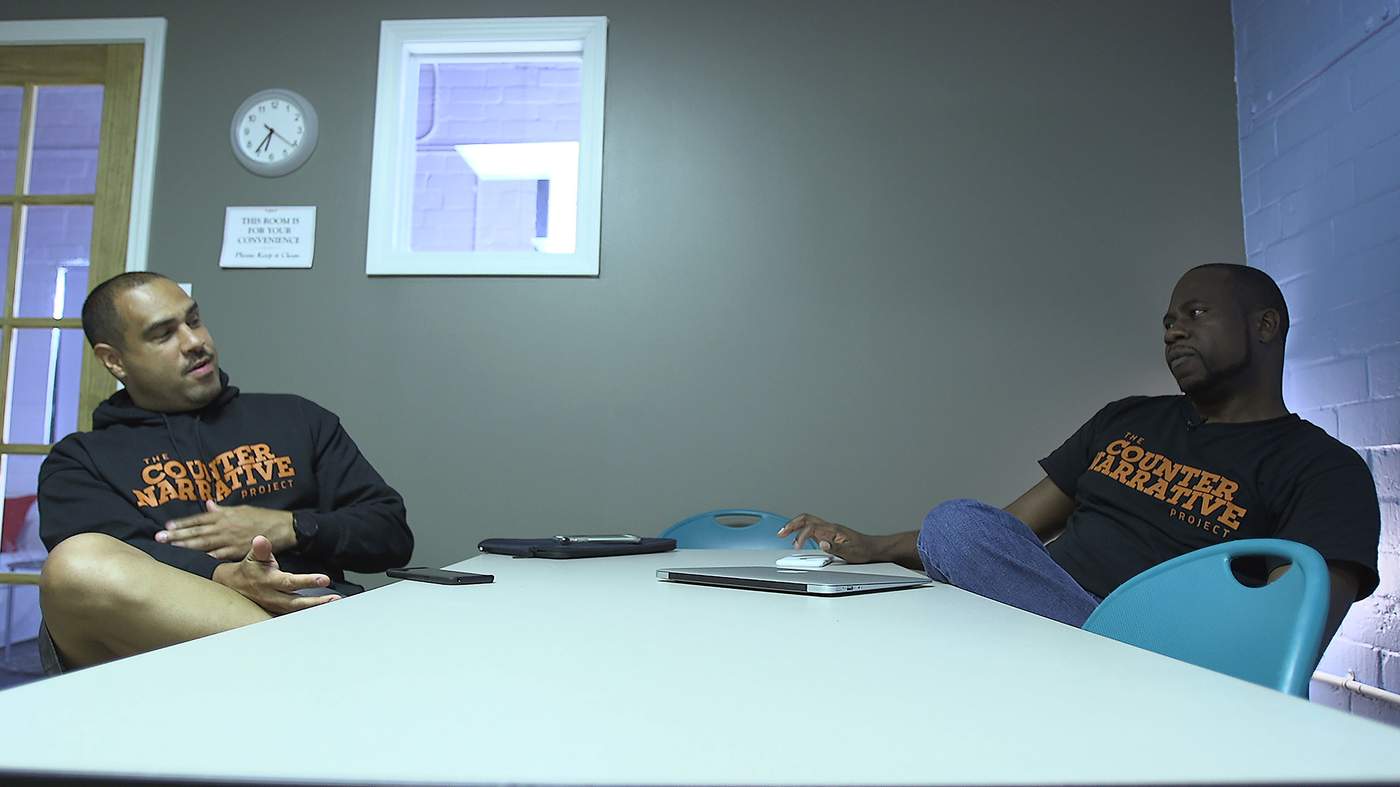
That’s why he believes the Counter Narrative Project is so important.
Once an aspiring journalist, Stephens believes telling personal stories has the power to change hearts and minds and, in turn, change society. And that translates into shifting how policies are created and how funding is allocated.
That night at the Counter Narrative Project’s inaugural event he got a glimpse of the faces behind the statistics that say if you were to follow a group of black men from age 20 to 40, one in four would be living with HIV by age 25, more than two by age 40.
RELATED: Stigma still fueling rising rate of HIV among blacks
According to the Centers for Disease Control and Prevention, more than half - 59 percent - of African Americans diagnosed with HIV in 2015 were gay or bisexual men; and of those, 38 percent were young men ages 13 to 24.
“Whenever I come across statistics around black gay men and HIV, I have to admit it is a lot to take in,” Stephens said.
But he’s trying. His challenge is to counter the narrative — that black gay men are a monolith — by sharing the stories of the community’s leaders, activists and ordinary citizens going about their daily lives, thereby uncovering the rich diversity and power of the community.
When he started a Google group asking his friends what they considered the major issues facing black gay men in Atlanta, more than a dozen people chimed in: unemployment, housing instability, the need for a place to gather and “the importance of self-love when so many forces try to make you hate yourself for being black and gay.”
RELATED: Movement empowers black gay men living with HIV
That inspired Stephens to found the non-profit Counter Narrative Project and weeks later, host the Blueprint Dialogue.
But the organization isn’t just about telling stories. It’s about effecting change, too.
To that end, Counter Narrative Project has hosted a community forum on how voter suppression impacts the black LGBTQ community, organized a meeting with the Atlanta Board of Education in response to alleged hate crimes against students,and advocating for more equitable funding distribution for HIV prevention from the CDC and Fulton County Board of Health.
Looking toward the future, Stephens said he’s advocating for someone to represent the black LGBTQ community on the new mayor’s transition team and the appointment of a special advisor who can champion those causes.
In addition, he’d like to see a street named for Commissioner Joan Garner, a gay rights advocate who died earlier this year, and to partner with local leaders to ensure more is done to support the work he and others black LGBTQ community leaders are doing.
As for the Counter Narrative Project, Stephens plans to stage a reading of Tarell Alvin McCraney’s “Choir Boy,” a play that deals with the impact of homophobia on the lives of black gay boys.
“I’m so proud and grateful to be able to do the work that I do here,” Stephens said. “I’m proud of this city. It has nurtured and inspired me. But we have a long way to go. Because I believe in this city, I know much is possible.”
Either way, one thing is for sure: we will never end the HIV epidemic in the U.S. if we continue to neglect this population.
Please confirm the information below before signing in.