Cuban Cycle

Shifting gears between revolutionary history and “the bed and breakfast capital” of the country.
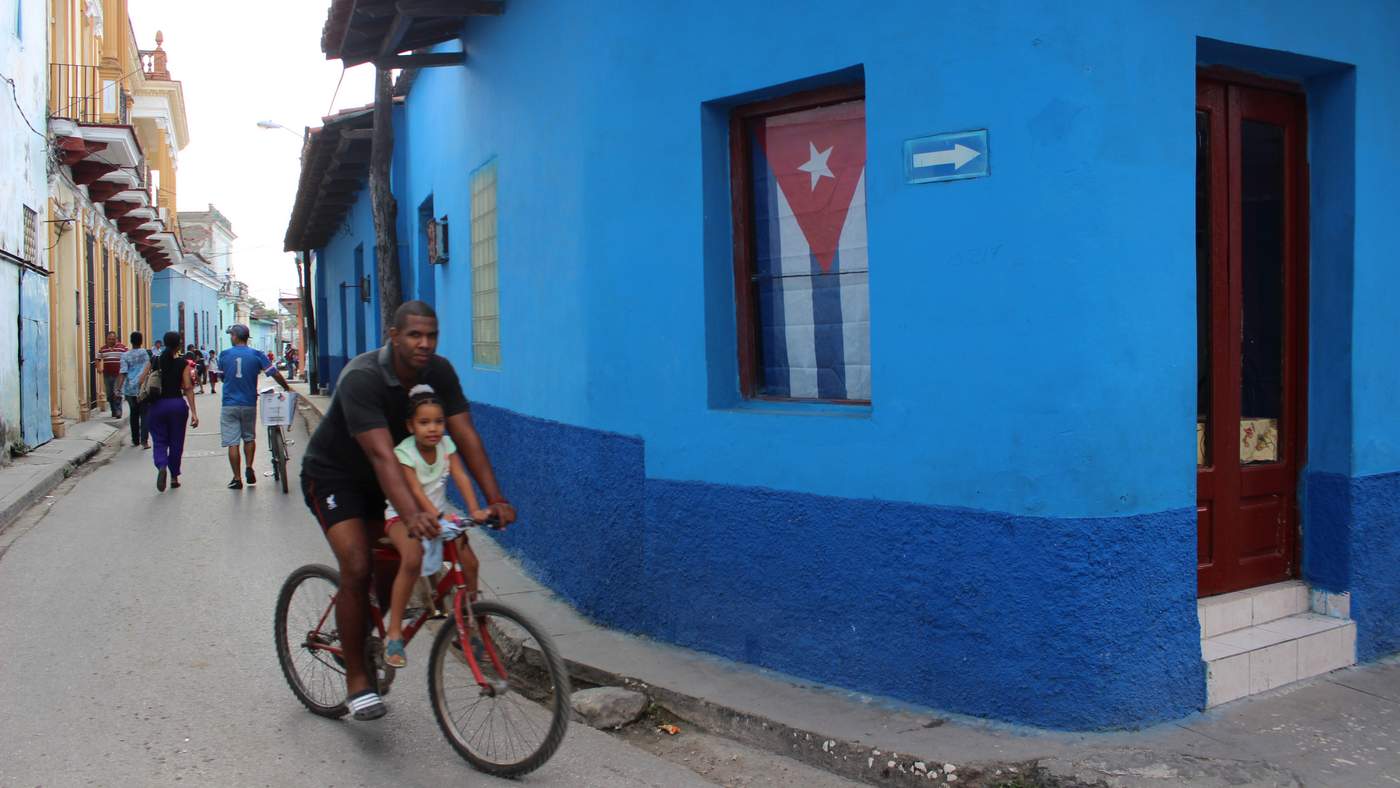
Photo: Leaving Sancti Spiritus by bike.


When the electricity went out in Sancti Spiritus, Cuba, the guitarist and singer at the Don Florencio hotel continued performing in the darkened courtyard without missing a beat.

In my pitch-black room, I wondered how hot it might get if the air conditioning didn’t come back on. But then I heard the music coming from the courtyard, and smiled.

If you pack a bit of patience when you travel to Cuba, you’ll be greatly rewarded by her tenacious charm.

This was my experience when I traveled there following the thawing of U.S.-Cuba relations, which has brought an influx of Americans to the island (and 80 percent increase the first six months of 2016 over the same 2015 period.) This demand may level off in 2017 due to rising hotel prices on the island and uncertainty over whether President Trump will restrict travel.

I wanted to go for a taste of Cuban life before the country gets overdeveloped. I decided to travel by bike, the way many Cubans do in an economy that still struggles to modernize in the wake of the Soviet Union collapse and the ongoing U.S. trade embargo.

My trip was organized by MacQueen’s Island Tours, a Canadian company that has offered WowCuba tours since 1993. A charter bus accompanies you the entire tour, should you want to rest, with electric bikes available for an extra fee.
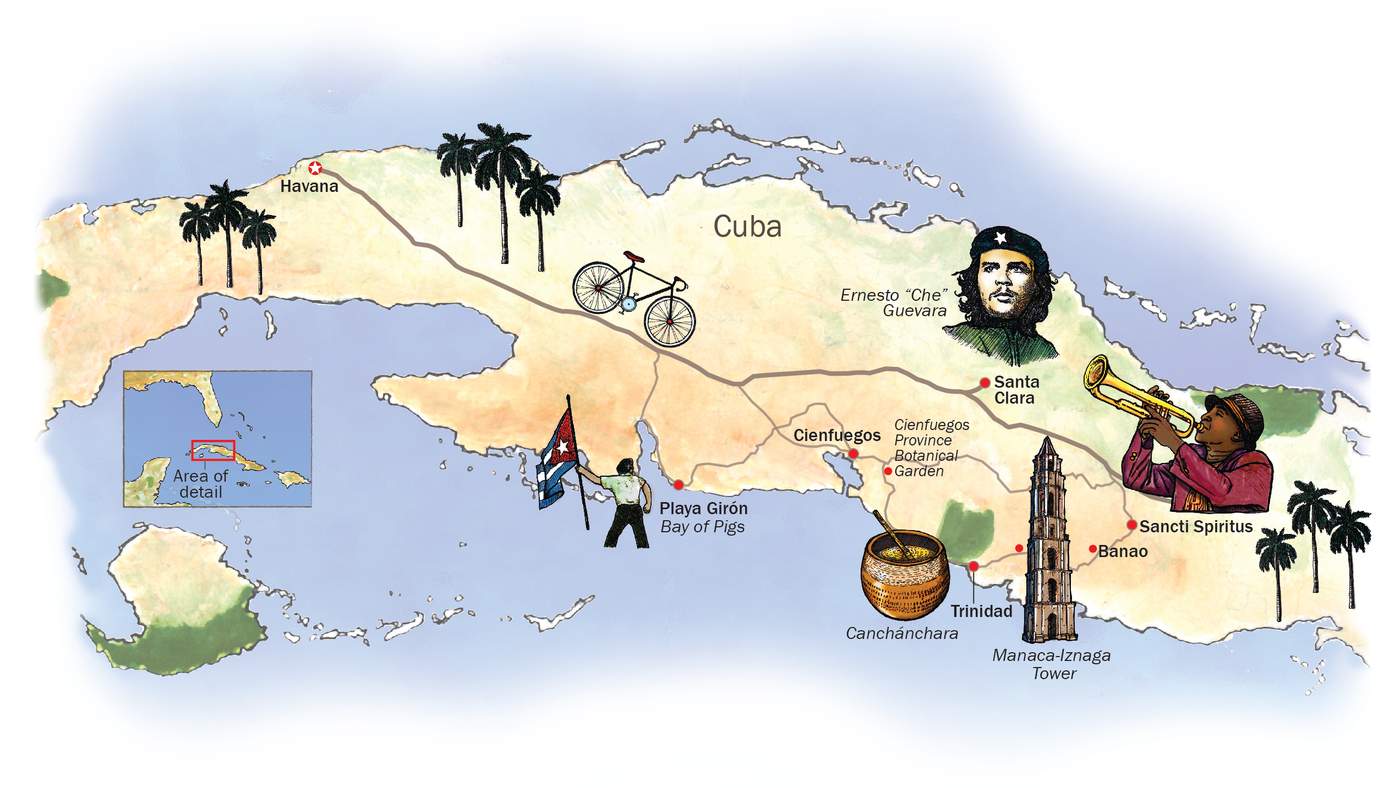
We took a bus from Havana for the first leg of our trip. We made our first stop in Santa Clara to visit the mausoleum of the Cuban Revolution’s most dashing hero, Ernesto “Che” Guevara.

The former darling of American college students enjoys similar displays of devotion in Cuba today. In Santa Clara there’s a 22-foot, bronze statue of Che, his writings, school report cards, family photos as well as clothing and weapons used by him and his revolutionary compañeros.

Roughly 6 percent of Cuba’s 11.2 million people are members of the Communist Party, but its reach appears more widespread than that. Some tourists will find it refreshing to see no billboards advertising commercial goods on the roads. You’ll instead see banners and billboards praising the 1959 revolution.

One striking billboard near Cienfuegos read “EMBARGO” and showed Uncle Sam being punched in the face by a large fist. But I have to say I detected no bitterness or resentment from the Cubans I met, only warmth and curiosity.

Three people on their cell phones in Trinidad, Cuba, likely near a wi-fi spot. It's not uncommon to see people gathered outside hotels in Cuba to use the wi-fi signal.

Sancti Spiritus (Latin for “Holy Spirit") is a 502-year-old city where colonial pink, yellow and blue buildings surround the Serafin Sanchez plaza in the heart of town. The Don Florencio is a charming hotel where a smiling waiter will bring you mojitos while you soak in one of the two courtyard hot tubs.

I didn’t travel far in Cuba before I noticed how rare religious iconography is, certainly when compared to other Latin American countries. The Iglesia Parroquial Mayor del Espíritu Santo in Sancti Spiritus, a blue church overlooking Plaza Honorato is an exception. Built with wood in 1522, it is the oldest church in Cuba with its original foundation. Don’t miss the statue of a sitting Jesus with bloody knees.

On our way to the town of Trinidad we stopped our bikes in the village of Banao (near the Alturas de Ban ecological reserve), where I had my most memorable moment. I’d stopped to take a photo of a horse pulling a wagon when I saw two old men in straw hats in front of a butcher shop. They leaned on canes and seemed to have no particular place to be.

One told me he was 93 years old and had fought with Fidel Castro and Che during the revolution. From his worn cotton pants he pulled out a medallion that he said had once been pinned on his uniform, and gave it to me. I said I couldn’t take it, but he insisted. He said he wanted me to have it “so you always remember.” I certainly don’t think I’ll forget it.

Photo: The view from the bell tower in Trinidad, the Museo Nacional de la Lucha Contra Bandidos.


We arrived in Trinidad exhausted and hot, in time for a lunch of pizza, seafood and pistachio ice cream topped with caramel figurines at the San Jose Restaurante, a new “paladar,” or private restaurant. Photogenic, popular Trinidad, with its colorful houses, cobblestone streets and UNESCO World Heritage Site status (eight total in Cuba), has managed to avoid being completely overrun by tourists — so far. Cubans jokingly call it “the bed and breakfast capital” of their country.

We stayed at Brisas Trinidad del Mar hotel, which my fellow bikers called the hotel “where the pool is dry and the rooms are wet,” due to leaky air conditioning and an empty pool. The hotel was built by the Russians before the collapse of the Soviet Union and the dour front desk manager acted as if she’d be happy to report you to the Politburo.

We saw the captivating work of artist Lázaro Niebla Castro and cooled off with Canchánchara, a local drink made with rum, lime juice, honey and soda water. Niebla Castro photographs locals, then carves their images onto slabs of wood recovered from old houses. Cubans have such interesting faces, I said to him, and he agreed. He said they have a certain look and culture unique to living on an island, and wants his art to preserve that.
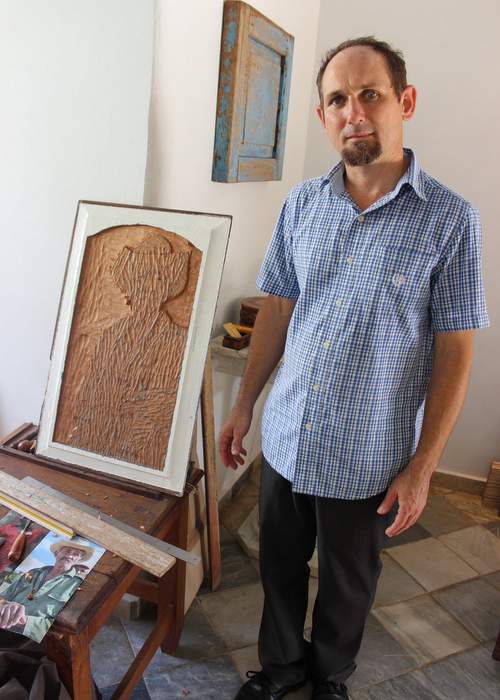
Trinidad artist Lázaro Niebla Castro. 

Trinidad artist Lázaro Niebla Castro. 

From Trinidad we biked to the Manaca-Iznaga Tower. The 147-foot structure was used to watch slaves as they toiled on the surrounding sugar plantations in the 18th and 19th centuries. Its history clouded enjoyment of the lovely views of the Valle de los Ingenios below. At the foot of the tower, vendors sell embroidered tablecloths and clothing; this was the one place in Cuba where I encountered pushy sales pitches. Most salespeople I encountered just let me be, but beware of “jineteros/jineteras” in larger cities.

View from the bell tower in Trinidad, the Museo Nacional de la Lucha Contra Bandidos.
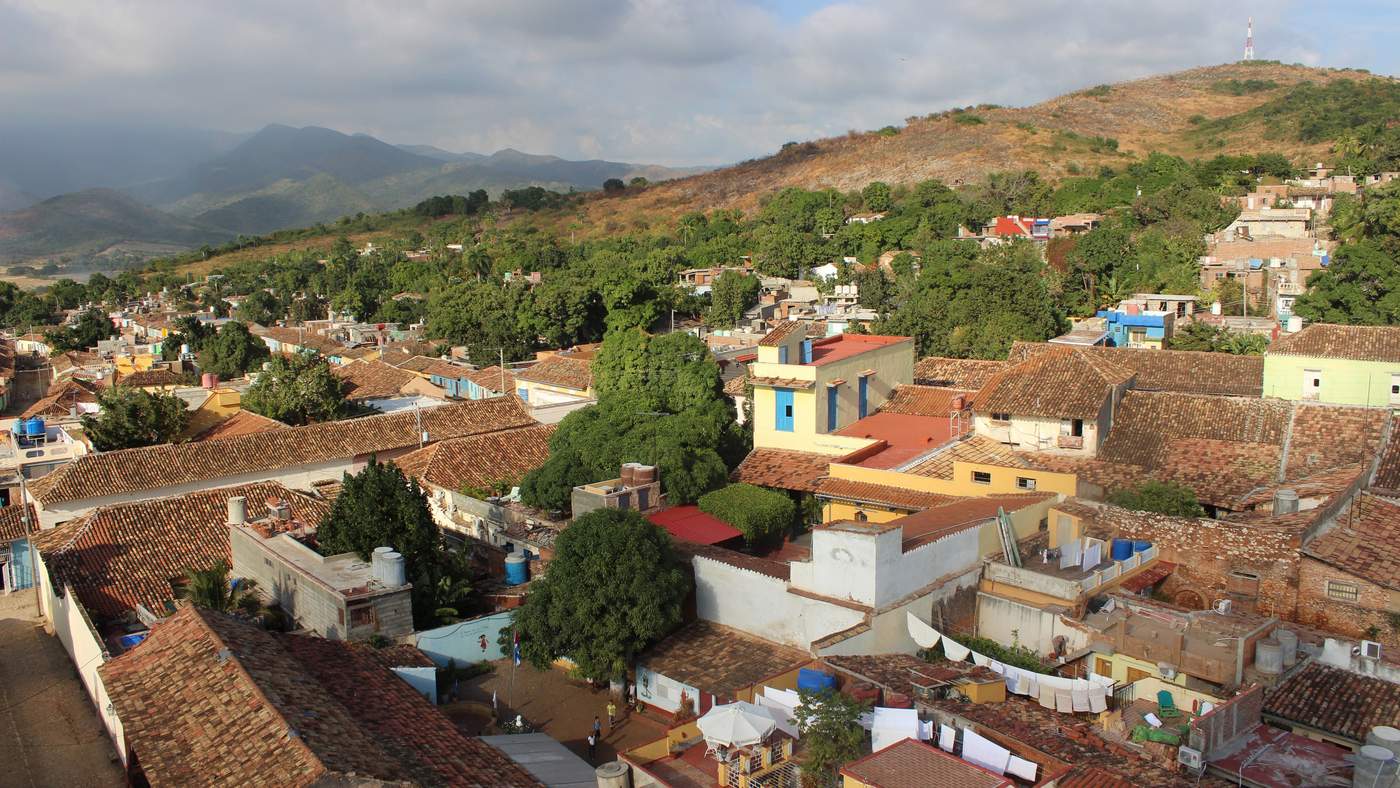
Photo: Playa Girón.


The next day we biked from Trinidad toward Cienfuegos and just outside that city we stopped at the Cienfuegos Province Botanical Garden. The garden, with more than 2,000 species of trees, was started in 1899 by American sugar baron Edward Atkins, and later became a Harvard research center. After the revolution and the start of the U.S. embargo, Harvard ended its support. Today the Cuban government maintains it as a national monument and tourist destination.

It’s easy to spend a hot afternoon at the garden, staring up into the shady branches of each magnificent giant and losing yourself a little. My favorite part of the tour was learning that the Baobab tree in “The Little Prince” is a real tree — so I hugged one.

The author hugging the Baobab tree at the Cienfuegos Province Botanical Garden. 

The author hugging the Baobab tree at the Cienfuegos Province Botanical Garden. 

A trip to Cuba is incomplete without a stop at the Bay of Pigs, where in 1961 Cuban ex-patriots, financed and trained by the CIA, launched an attempt to overthrow Castro’s government. To get there, we biked on palm tree-lined roads, maneuvering around rice that had been raked over the asphalt to dry. A billboard on the side of the road read “This is as far as the mercenaries got.”

The Bay of Pigs invasion took place on Playa Girón. Its sparkling blue-green water on a quiet shoreline with thatched umbrellas make it seem like just any other lovely Cuban beach.

About five miles east of Playa Girón is Caleta Buena, an excellent place to snorkel, especially beginners. You’ll find impressive rock outcrops and plenty of fish on view, including surgeonfish, barracudas and sea urchins.

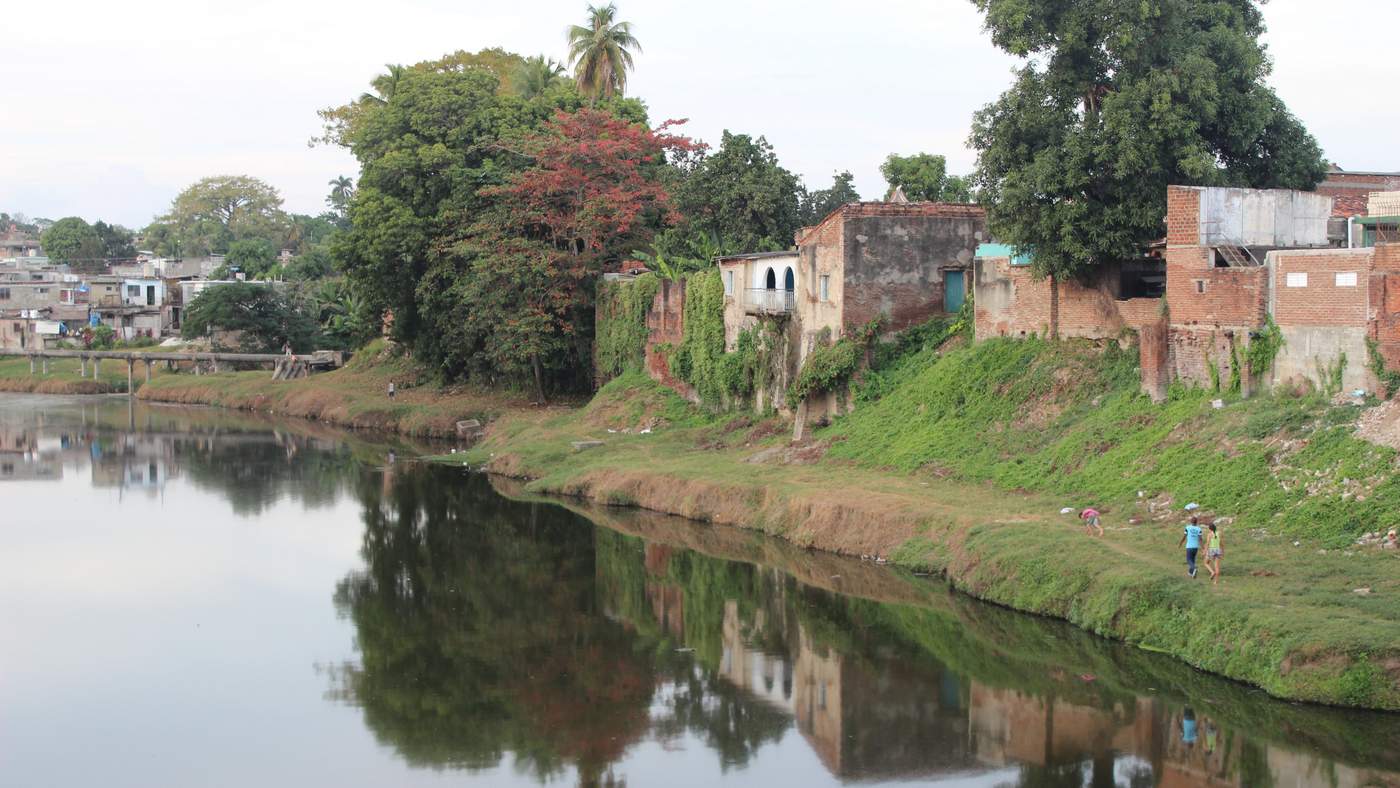
The view from the bridge over the Yayabo River in Sancti Spiritus.
On our way to Havana, our final stop, I saw kids playing a baseball game with a busy four-lane road as their makeshift field. I worried for their safety while admiring their ingenuity.

After a week of putting 208 miles on my bike, I was glad I still had energy to attend our tour group’s final dinner. It was at the eccentric San Cristobal Paladar, where the Obamas dined during their visit last year, and which is on a couple of lists of best restaurants in Havana.

I enjoyed hearing live music at just about every restaurant and hotel I visited in Cuba, so it was fitting to spend my last night in the country listening to Cuba’s 1950s oldies performed by the “Tradicionales de los 50” group, which includes one trumpeter who played with the famed Buena Vista Social Club band.

Listening to the languid tunes, I no longer cared about the ordeals at the Havana airport, the soap or toilet paper often missing even at some nice restaurants, the waterless pool or the electricity going out. I was just delighted that I’d finally gotten to know our neighbors to the south.

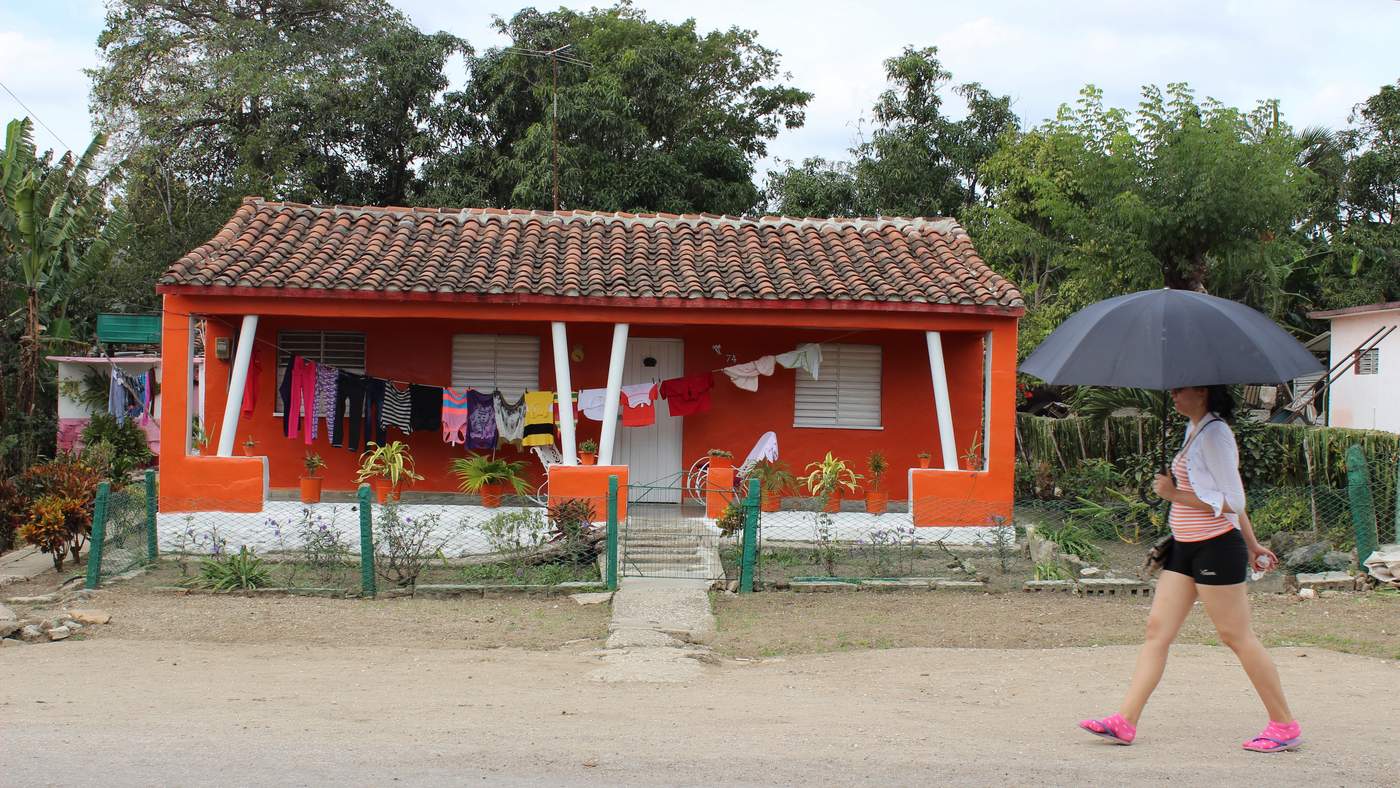
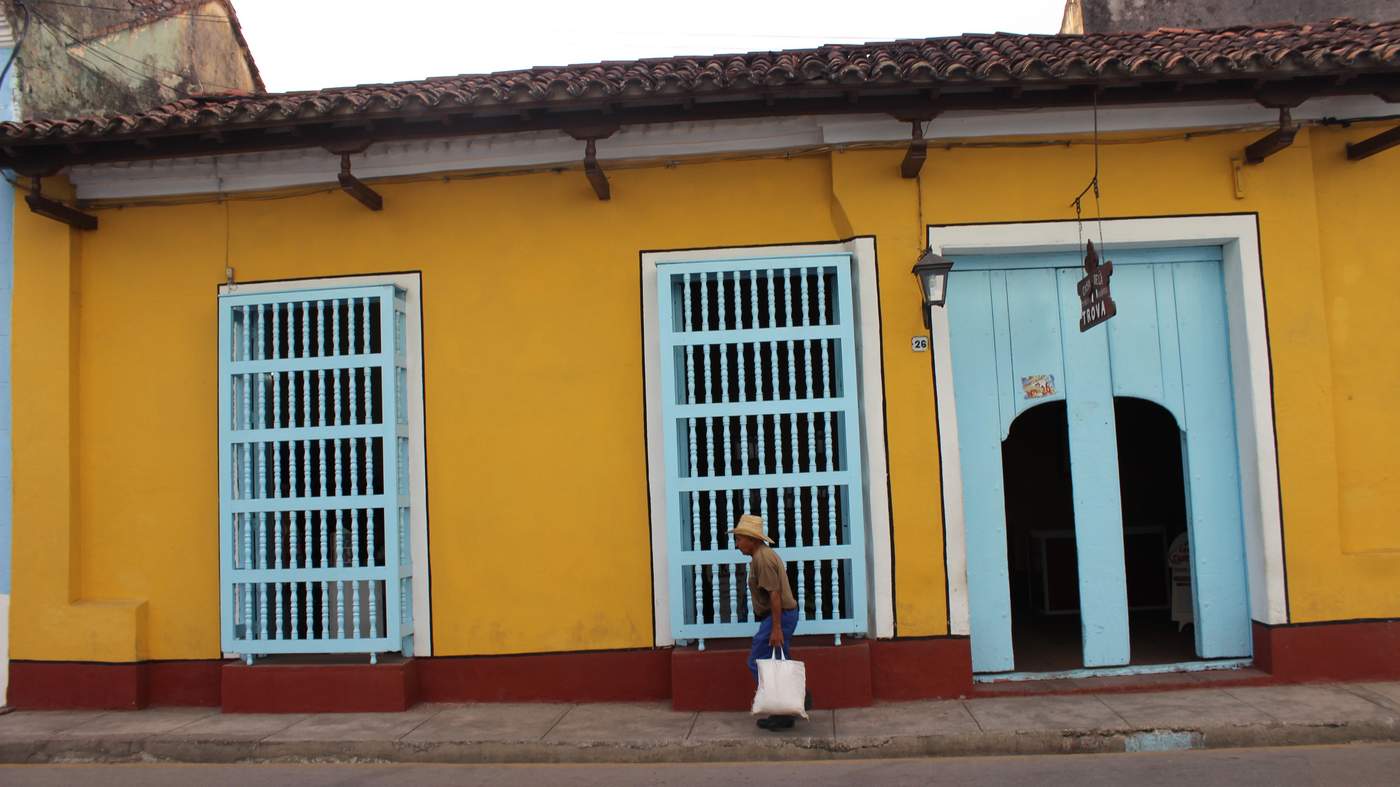
A man walks in front of yellow house in Sancti Spiritus, Cuba.
INSIDER TIPS

Travel to Cuba can be complicated, so you’ll need to plan ahead.

Getting There

You can now fly directly to Cuba from the U.S., but Americans still can’t go there as official tourists. In the past, U.S. travelers had to get a license from the Office of Foreign Assets Control (OFAC) specifically for their purpose of travel, but now you’re covered under a general license if your activities in Cuba fall under 12 categories: family visits, journalistic activity, professional research and professional meetings, educational activities, religious activities; public performances, clinics, workshops, athletic and other competitions, and exhibitions; support for the Cuban people; humanitarian projects; activities of private foundations or research or educational institutes and certain export transactions.

If your travel falls within one of those categories you don’t need to ask OFAC for permission to travel to Cuba.

Many Americans travel under “educational activities” that promote people-to-people contact. You’ll just have to follow a full schedule of educational activities and keep “records demonstrating a full-time schedule of authorized activities.”

You’ll need a tourist visa card (also called a “visitors visa”) to get in. Some tour operators offer it as part of their total package, and if they don’t you can obtain it yourself. Before my WowCuba bike trip (avoid using the word “tour” – instead I suggest “trip”) I bought my $50 tourist visa card from Delta Airlines over the phone. They emailed me the receipt, which I took to my departure gate. I got my tourist visa card and filled it out before boarding the plane to Havana. I saw others buy theirs at the gate. NOTE: They’re in fact normally handled in conjunction with flight, not land arrangements (extra $ for most commercial US airlines, sometimes even just payable at the gate).

What to Take

Passport that won’t expire for at least six months.

Cash. The U.S. embargo doesn’t allow you to use your credit cards in Cuba. If you take U.S. dollars remember that you’ll be charged a 10 percent tariff when you exchange them at conversion centers. To avoid this take Canadian Dollars or Euros. You can get these at the airport before you leave the U.S. Keep in mind that Cuba has two national currencies, the Cuban Convertible Peso and the Cuban Peso. Most tourists will only deal with the CUC. Cubans use the Cuban Peso to pay their bills, buy medicine and some groceries and use public transportation.

Tissues and moist towelettes. Don’t assume that because you’re at a decent restaurant that the bathroom will have soap and TOILET PAPER. And always have some change to give to bathroom attendants for the use of the facilities. You can pay in CUCs or Cuban Pesos.

Imodium, Tylenol, Band-Aids, Pepto-Bismol and any other must-haves. You may only find these at a few tourist shops or international pharmacies. If you’re not used to the tap water it’s best to buy bottled water there. To reduce plastic waste and help the environment, keep in mind that the most responsible travelers think ahead and bring an insulated bottle which can either be re-filled daily from a one-gallon sized unit or (where available, such as at the Cuba Libro Bookstore in Havana) from a refillable dispenser.

Medical insurance. You’re required to have it in Cuba. Some airlines include a temporary policy in the cost of the fare, about $25. Keep your boarding pass during your stay because that’s evidence of your policy should you need medical attention. Please check with your airline or insurance provider for details. If you miss purchasing insurance in advance, it can be purchased locally (prior to proceeding through Cuban Immigration counters) from www.asistur.com.

Where to Stay

Because the U.S. embargo is still in place it’s almost impossible for U.S. residents to book directly with Cuban hotels, which are all run by the Cuban government. The exception to this rule are mainly foreign hotel chains with administration contracts in Cuba, which means they can sell a certain number of rooms via direct website sales such as www.meliacuba.com. Please note that U.S. travelers can guarantee a reservation via that website with a U.S. credit card, but you can’t pay with the credit card in Cuba. You’ll have to pay the amount due in cash (and in CUC, or with a 10 percent penalty on USD) at check-in.

WowCuba booked all the hotels and restaurants for my cycling trip. I just had to book my flight.

If you prefer to leave booking to tour operators, some experienced ones include Cuba Travel Network, Cuba Travel Services and Insight Cuba.

Keep in mind that an increase in demand has resulted in a shortage of hotels in Cuba and prices are rising, some as much as 30 percent in the last few years. If you decide to not use a tour to schedule your hotels, or you find yourself needing a few nights stay that your tour operator doesn’t cover, AirBnB is a good alternative. Cuba is reportedly its fastest growing market. I enjoyed my AirBnB apartment on Calle Obispo in Havana.

Some Precautions

I didn’t feel the high-pressure sales pitch in most places, except for Havana. There you can expect to be approached by a “jinetero” or “jinetera,” a kind of friendly street hustler who wants to be paid for the tourism advice you didn’t ask for. Simply say “No, gracias” and keep walking.