


Miracles big and small
A mother finds glimmers of grace
after suffering the greatest loss of all.


2
Investing in livestock
It had been a quiet night. Clouds hung low like a blanket, not a star in sight, when I woke in a fog of sleep, as if by instinct, to the sounds I heard outside. It was the cry of dependent hunger. I pulled myself out of bed to warm up the two-liter bottle of milk. My slippers tiptoed on the hardwood floors, so as not to wake the girls.
While I poured formula into a mixing bowl and hit the microwave, I pondered how in the world I had gotten here. Alone, with three daughters, was better than existing in a lonely closet of a dead marriage. But where had the time gone? No more babies. The girls were all in school, old enough to help with laundry and cooking. My middle child even wrote down “for sale by owner” phone numbers from signs she noticed to help my fledgling real estate career. We were a team, an all-girls team.
I funneled the milk into a large bottle and snapped on the giant nipple. Then I slipped on my rubber garden boots, tied up my robe and walked to the trailer parked in the driveway, breathing in the outside: fresh, cold with a whiff of cow dung.
As much as I asked myself why in the world a 175-pound calf was residing in my Peachtree City backyard, I knew the answer. I had caused this and my stomach ached from this nauseating reality.
It had all started when I decided to start feeding my girls clean, healthy food. I had always been a foodie, but when I read a copy of David Steinman’s “Living In A Toxic World,” I got serious about where and how we bought and cooked our food. We omitted the drive-thru on the way to activities. No more hot dog and beans nights. We baked cookies with fresh farm eggs and organic flour. While I knew there were plenty of hormones, chemicals and additives already in the food system, I was going to make sure we did our best within the constraints of my budget and time.
To quote most of our friends: We got a little weird.
I had a friend who lived on a farm nearby in Senoia. I met her a few years back when I went to McDonald’s for a diet coke; she was working the French fry machine. I could tell from her eyes she was miserable. We became fast friends over our love of homemade picante sauce and motherhood.One Sunday afternoon, the girls and I drove out to her farm to deliver yet another stray dog we’d found. This time as we followed the gravel road to her house, we caught the smell of someone grilling supper. We found her mother poking at a skinned goat on a stick gurney above an open fire pit. She handed us each a cabrito taco without ever thinking we would not want one. I think most good decisions happen around a campfire.
It was then that we decided I would start buying livestock, and my friend would tend it. Together we would trail blaze the clean food movement starting with our own families.
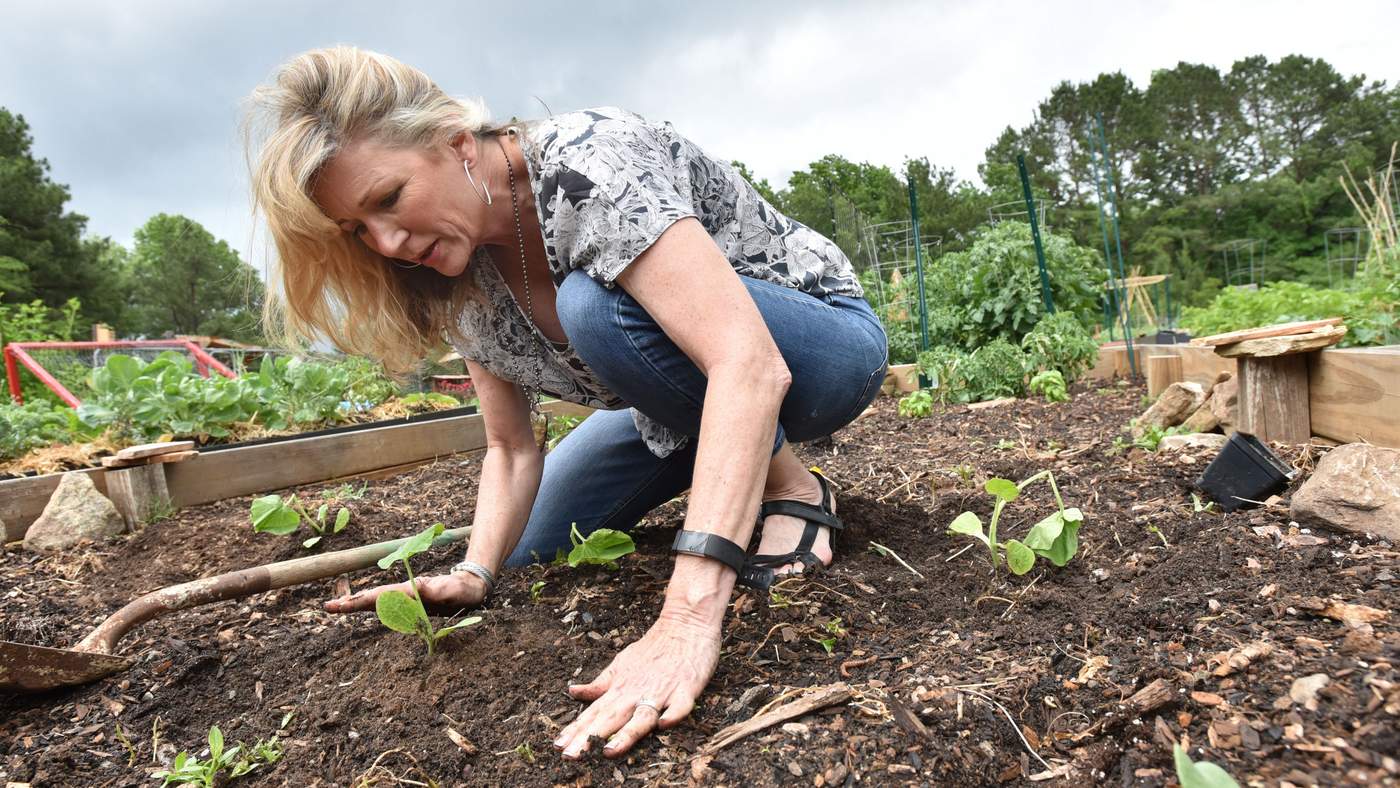
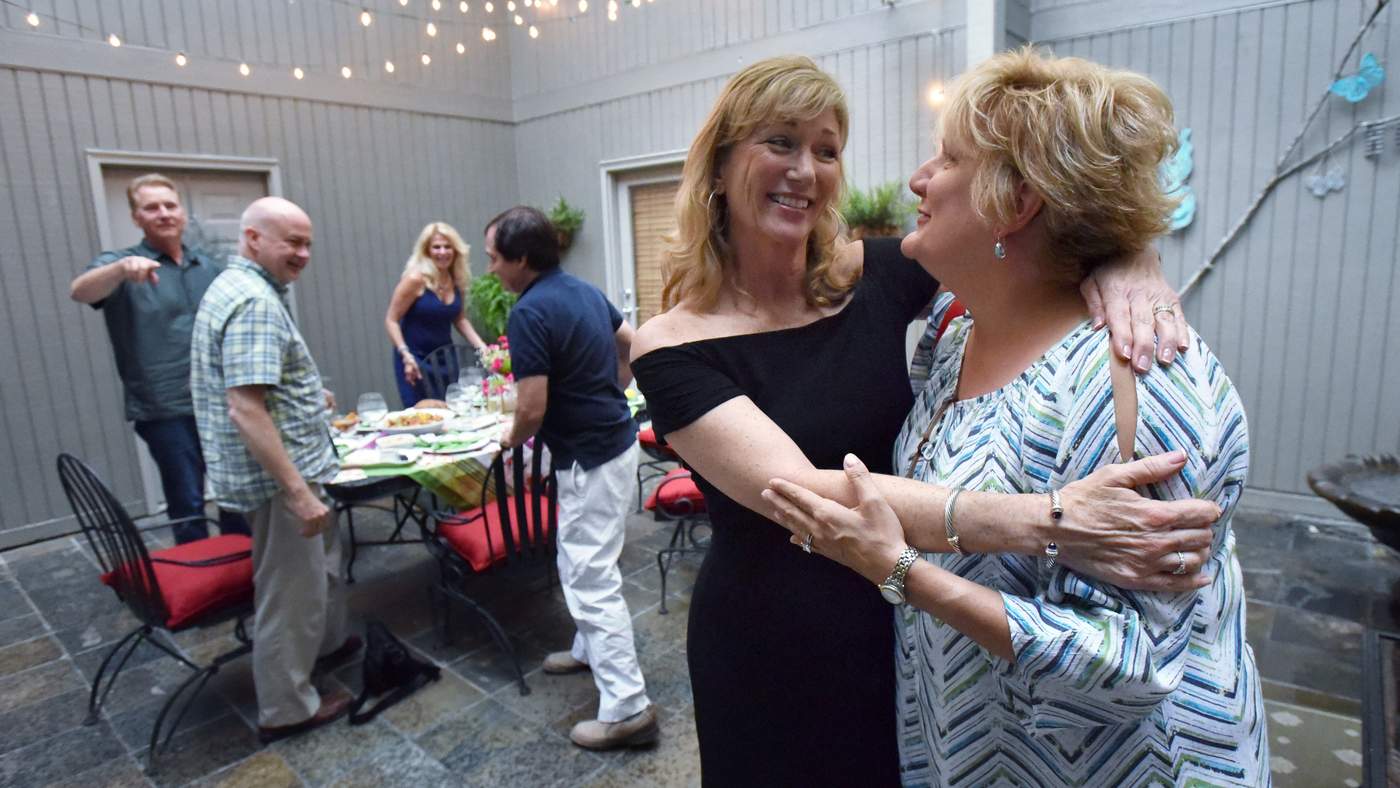
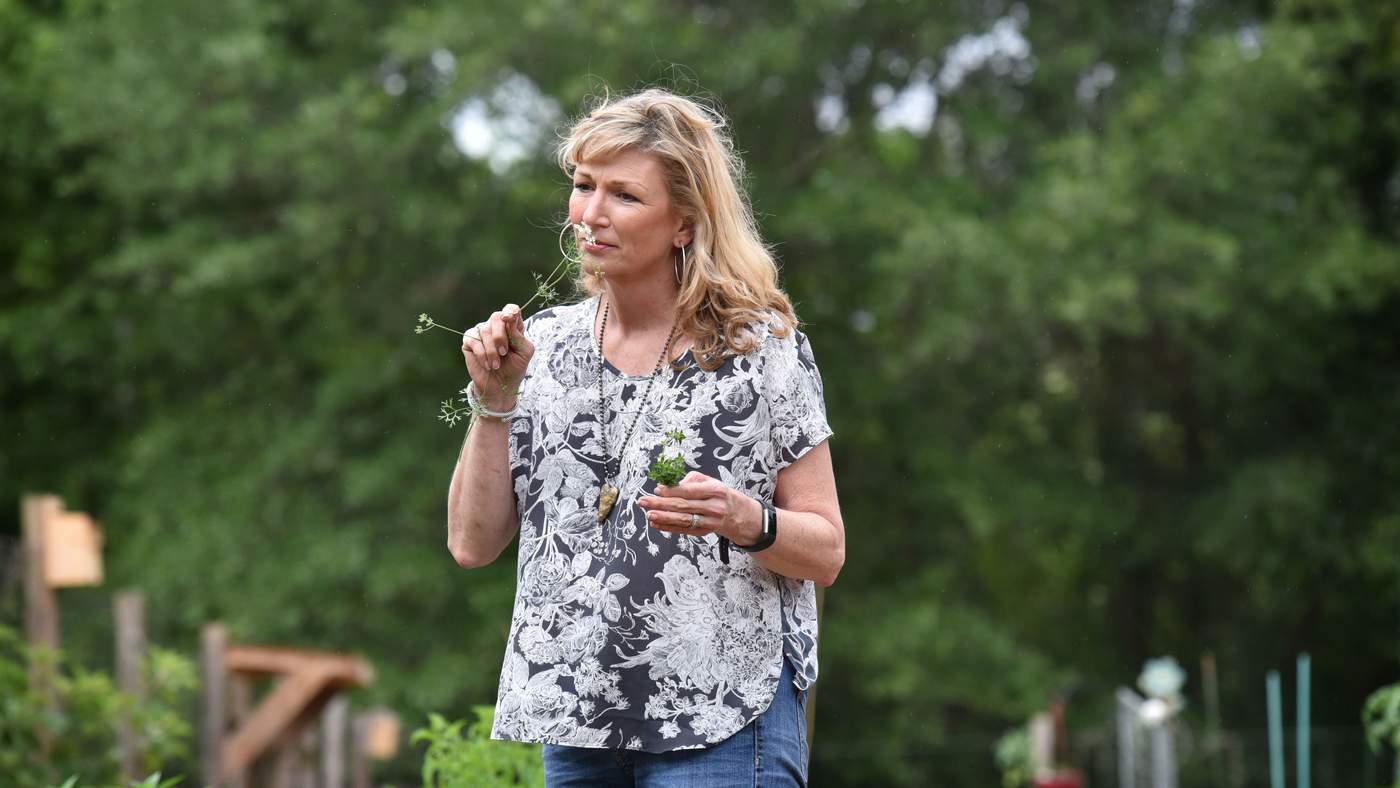
Tricia Stearns greets her friend Carla Waters (right) at her home in Peachtree City. Having friends over for dinner and dining on a meal made with ingredients harvested from her garden is one of Tricia’s favorite things to do.
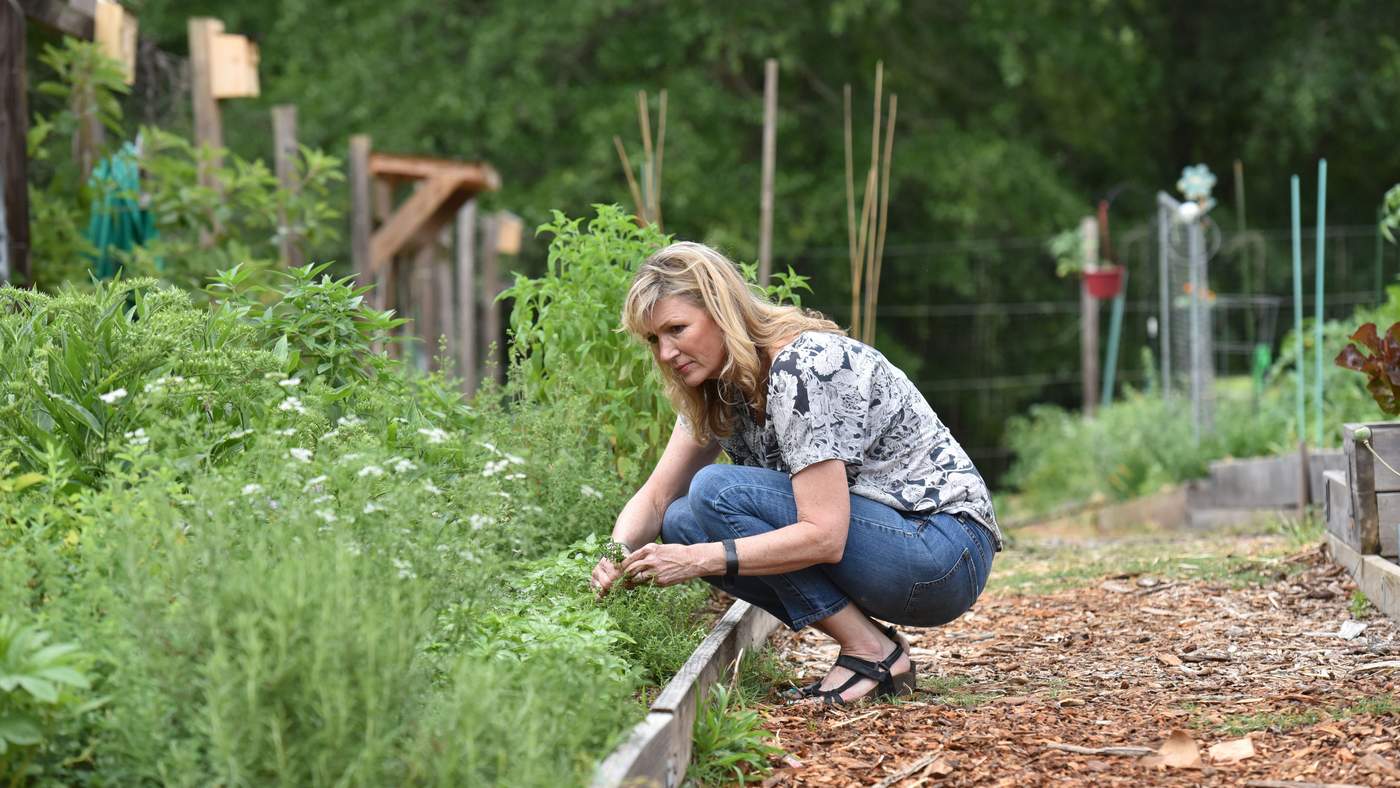
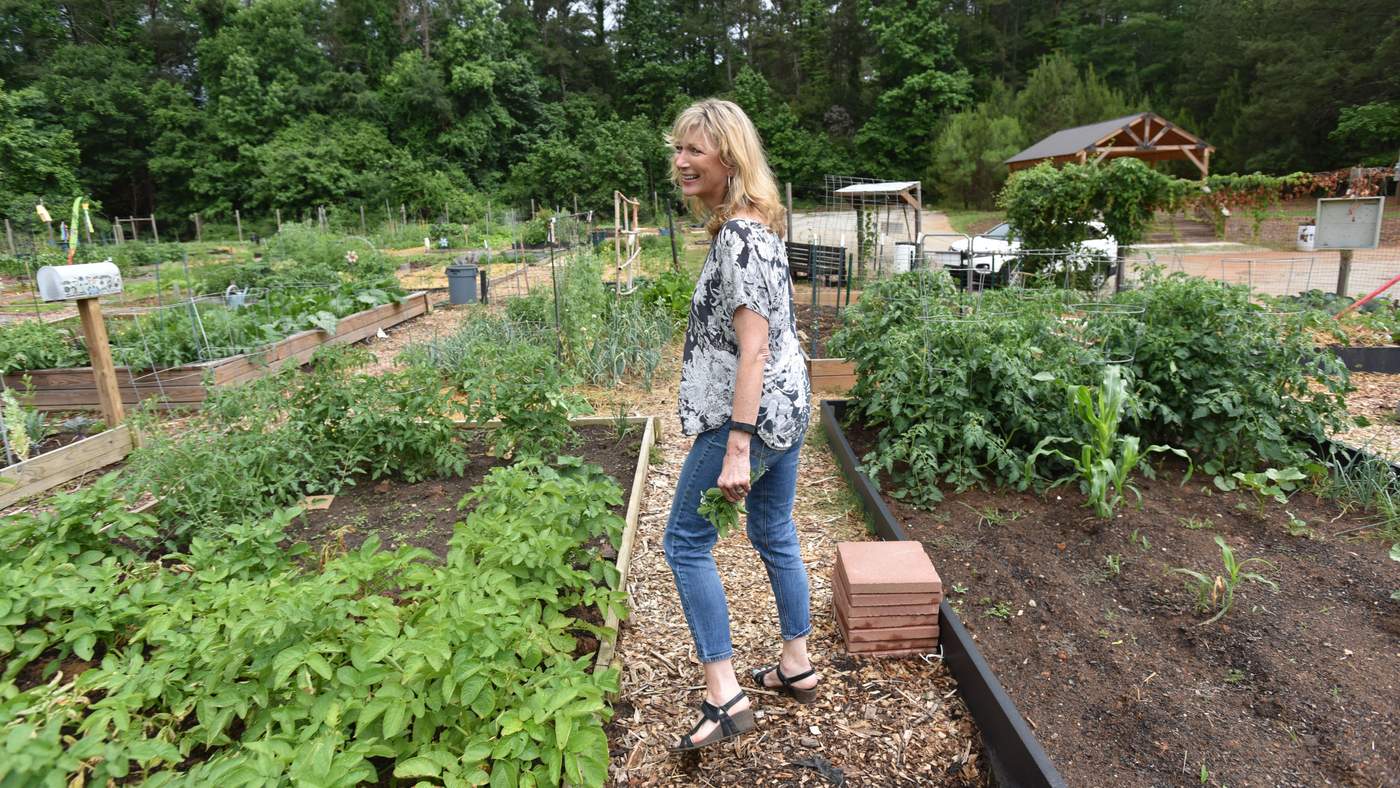
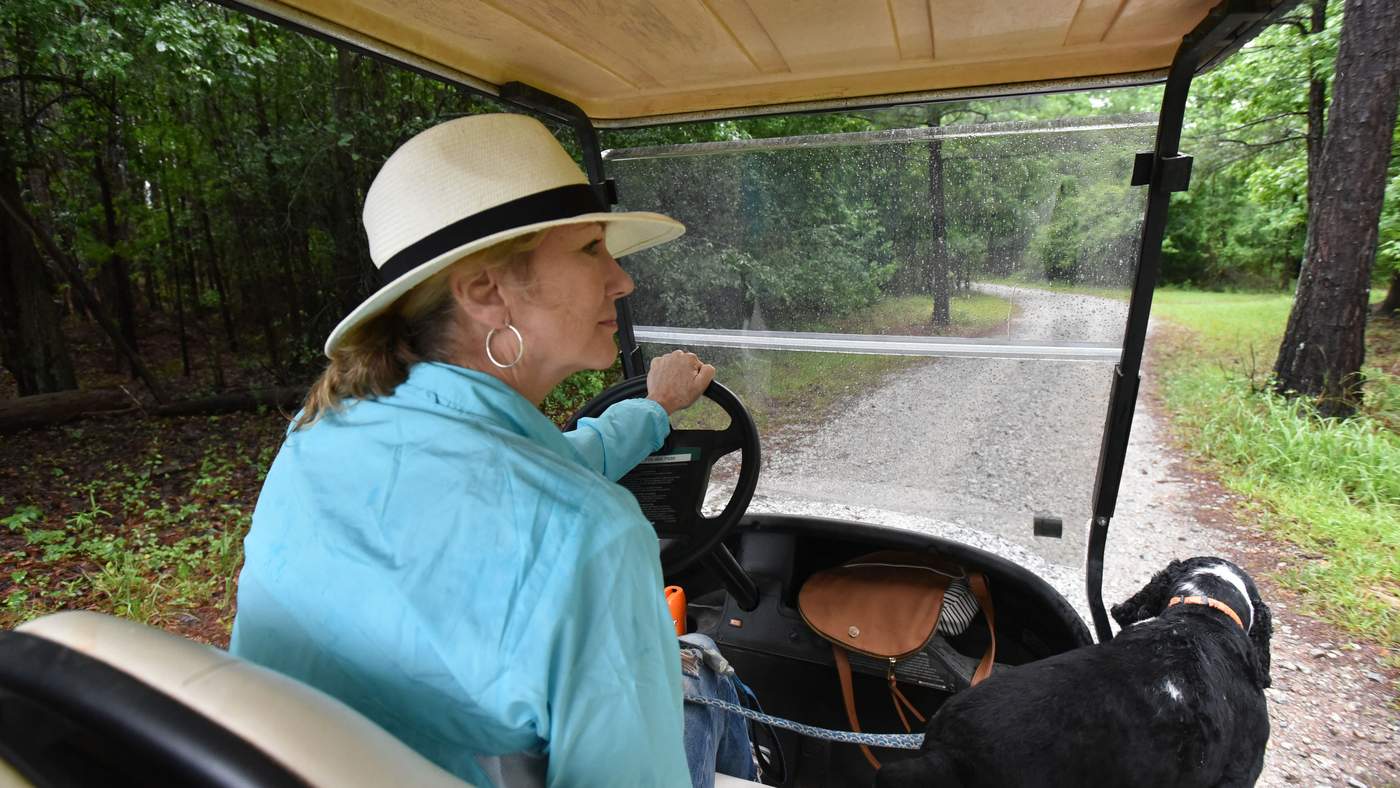
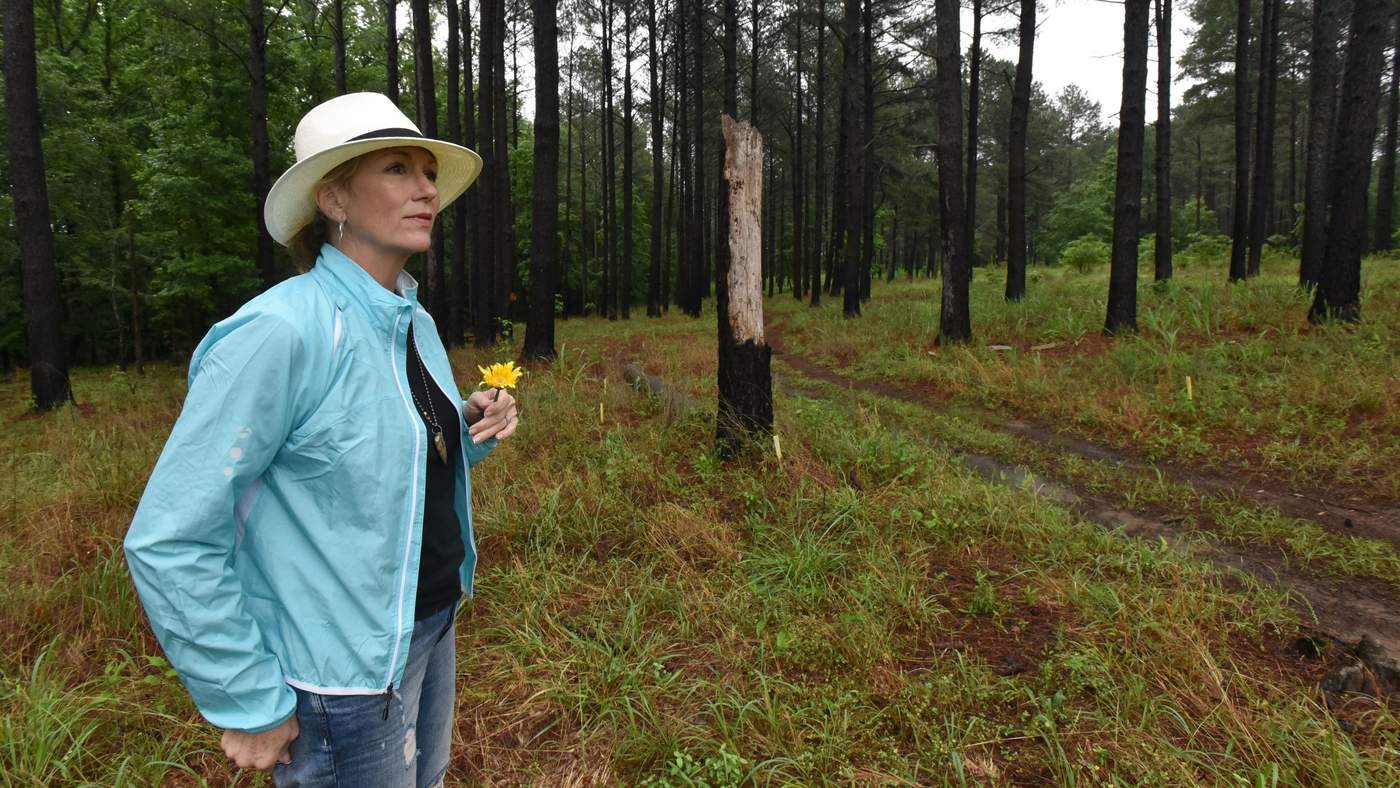
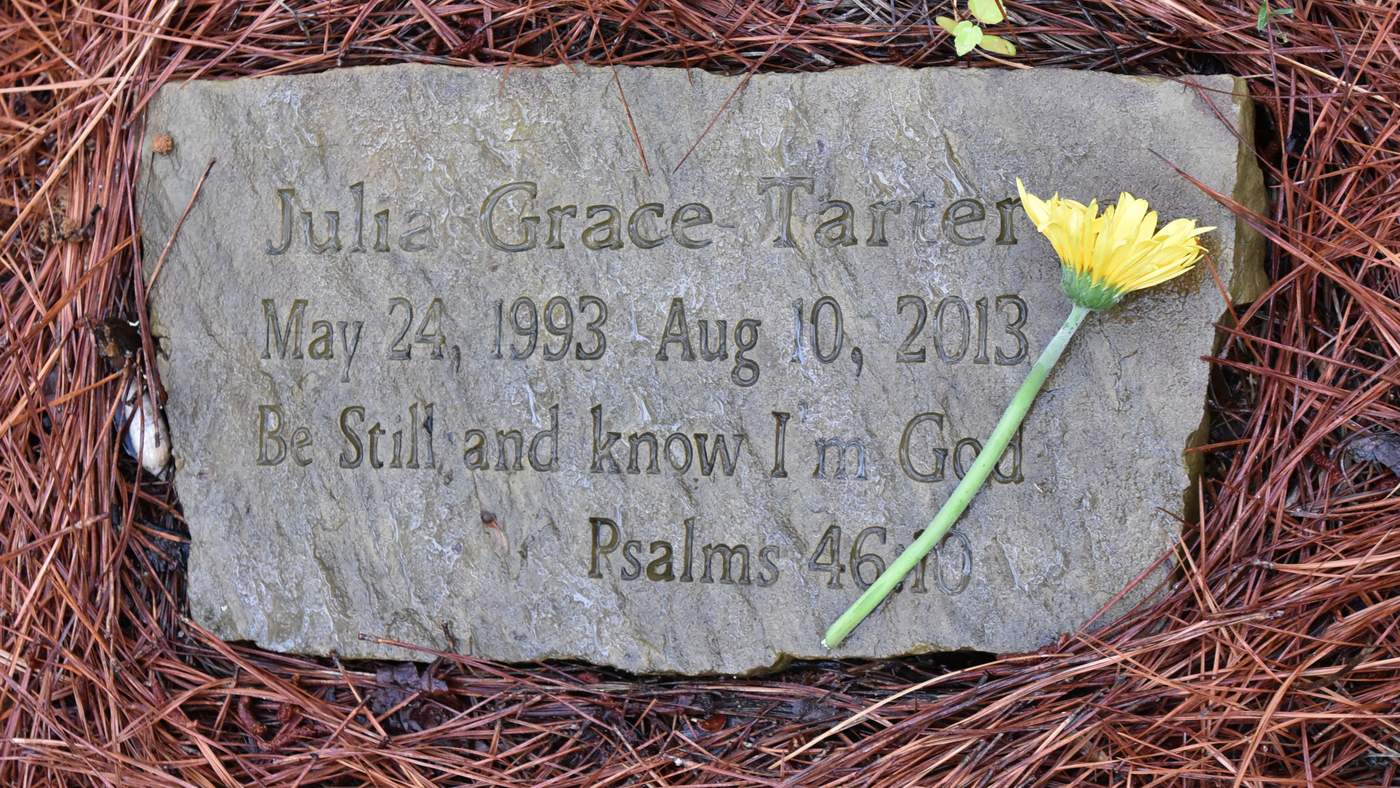
Tricia, with her dog Hiker, on her way to Julia’s grave site on what would have been her 24th birthday.
6
‘Pray for a miracle’
Pain quivers through my veins and bubbles in my throat before settling in my stomach. I sit in Julia’s old bedroom until it’s dark, shoe boxes of photos spread across her room. Years of our lives — birthday parties, dance recitals and motherhood — all reduced to 4x6 memories.
My baby, the baby of our family, has died, at 20 years young.
It happened on a Sunday. Summer was winding down and Julia was preparing to return to college. She’d stayed the night at her father’s. At 10 a.m., while I was outside loading her college things into the trunk of my car, she texted me to say she was leaving to come home. I was to follow her to Milledgeville to help her set up for the new school year. Her scrambled eggs sat on our stove.
We suspect she was pulling away from her father’s townhome when she saw her backpack on the stoop. She forgot to put on the parking brake when she jumped out to retrieve it. Her Nissan Sentra began to roll; she chased it and reached the door. She was half way inside when the car struck a fire hydrant, pinning the door against her chest.
All she could do was reach the horn, and she honked and honked. Her dad had already left for church. Her stepmother was in the shower unable to hear. On that sunny, hot Sunday morning, with the condo security guard on vacation, other residents heard the horn but simply sipped their coffee and ignored the noise. When a woman finally did call the authorities, it was after the honking stopped. She assumed the crime scene was now over and it was safe to get involved.
The firefighters revived my daughter, but the big unknown was how long had she been unconscious? I stood over Julia in the emergency room. The blue, farmers market T-shirt she’d been wearing had been cut straight up the middle. I could see a massive scrape on the side of her right leg and upper torso, but other than that, there were no broken bones or blood. But there was fear in the doctor’s eyes when she told me to pray for a miracle. They were going to induce a coma to rest her brain from the injury. If she were going to make it, she would wake up on Tuesday around 5 p.m.
If she is going to make it, we will know Tuesday, I repeated over and over again in my brain.
We all grabbed hands, my husband, Julia’s father, his wife, Mallory — Meredith was in the car, driving from her home in Mississippi — and we all prayed. With one Facebook post, a prayer chain grew by the thousands. Prayer vigils happened in living rooms around the world, from young campers to college friends, to mission-trip families in Estonia to Swaziland.
She did not wake up on Tuesday, but the doctors reluctantly gave it a few more days. Four days in, I began to notice the organ donor posters on the walls. I asked God to take Julia if he wanted her, I did not want to have to make that decision — to take her off life support. God met me in the night, wandering the hospital halls. He found me on the bathroom floor, crying uncontrollably, and so did a woman named Earline, an aide dressed in blue scrubs. Throughout the week, she had come in and out of Julia’s room but never looked up. That Thursday night she sat on the floor, held me tight, and we cried. She had lost her son to a gunshot wound when was he was 18. At 4 a.m., we were each other’s world; two hurting mothers from different backgrounds, but sisters forever.
When she picked me up off the floor, I had my answer. My loss would transform itself into 16 miracles — from a plumber who got her heart to a 10-year-old boy who got her liver.
I then knew that the faith I had before Julia’s accident was nothing but milk-toast, phoned-in, do-the-right thing kind of faith. For me, true faith, a take-a-bullet-for-my-faith kind of belief came out of that pain.
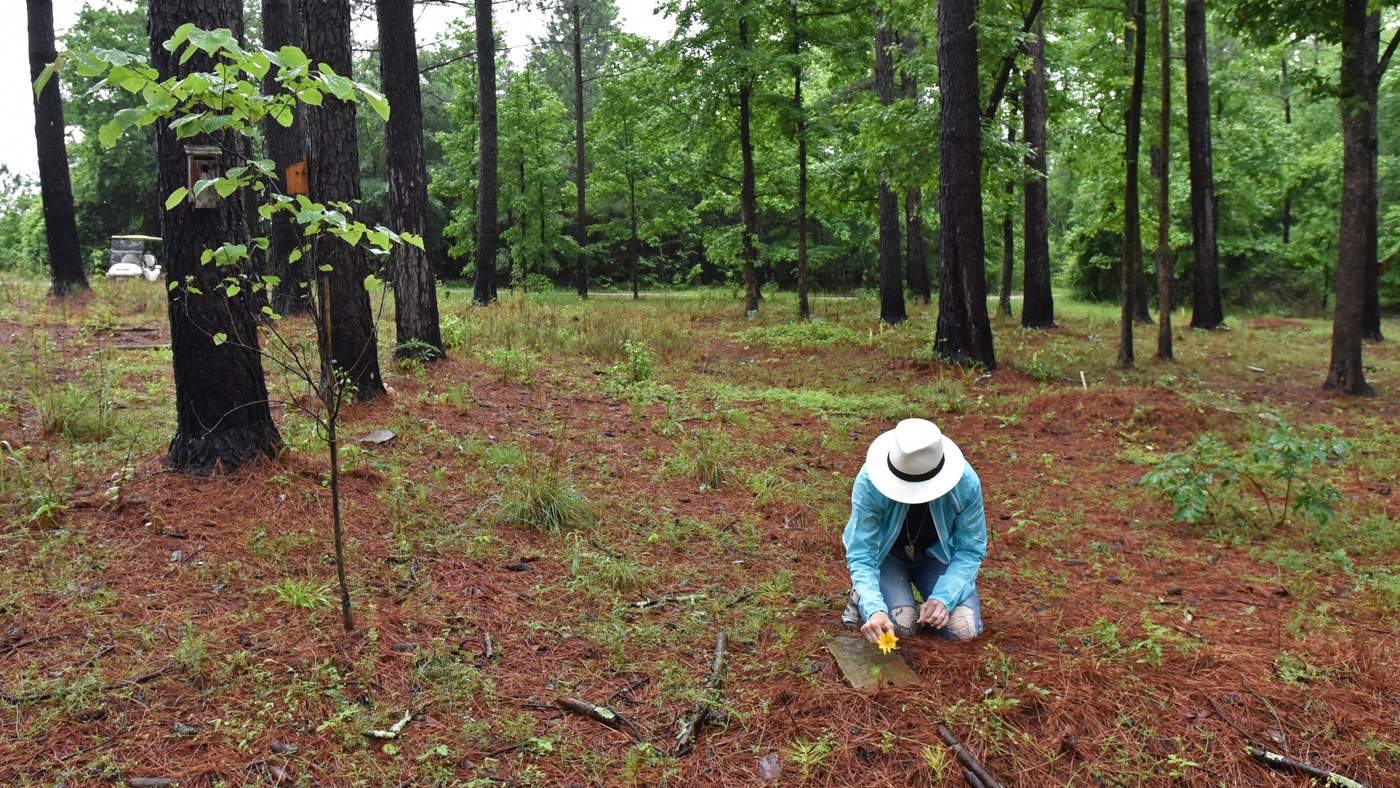
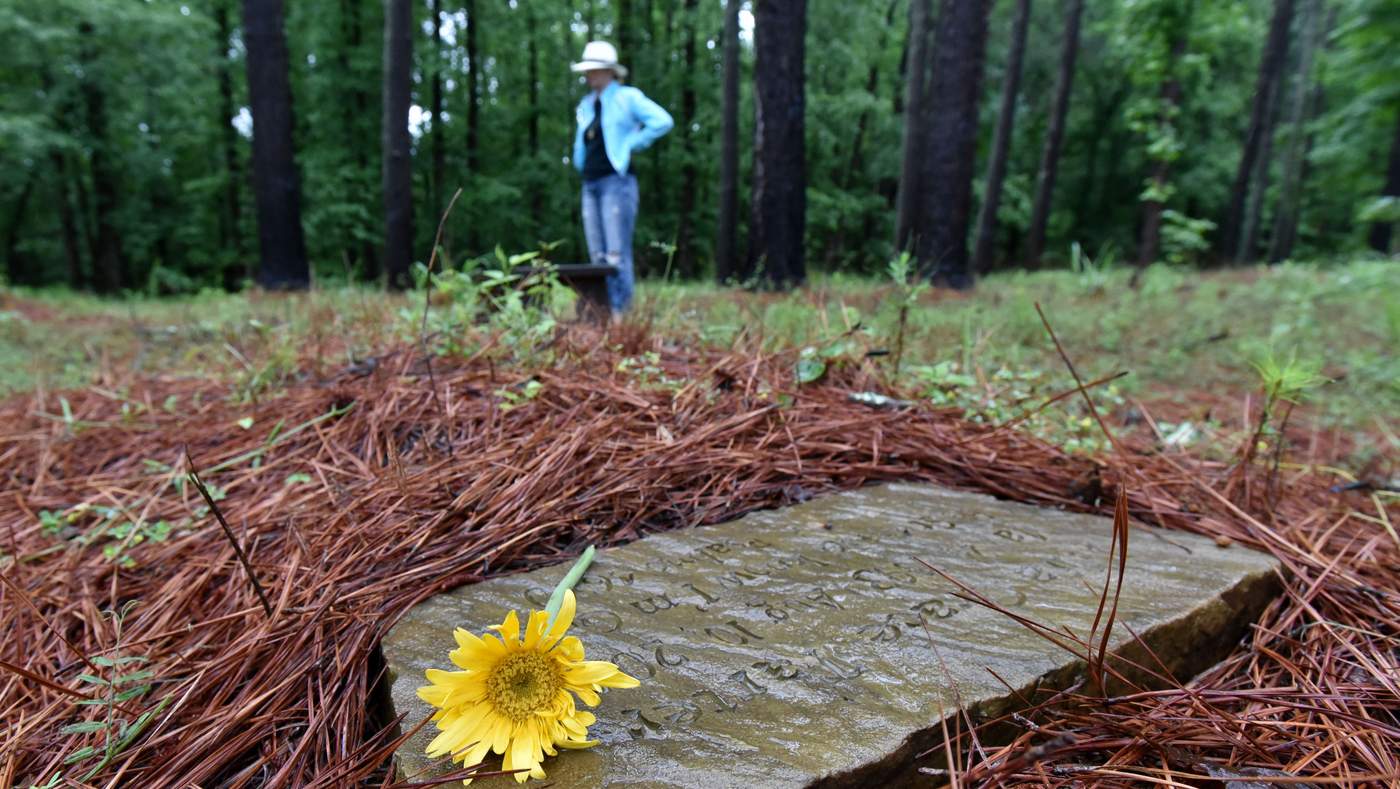
I decided to bury Julia at Monastery of the Holy Spirit in Conyers, which offers a natural, green burial on its grounds protected by the Honey Creek Woodlands conservation and easement. It felt like the right decision not only because Julia would be among plant species and abundant wildlife, but also, and even more important, because a monastery is one of the last places where people live for God, and God alone, focusing their life around praying for others — the way Julia did every day.
Blended families are hard to be with on good days let alone the worst of days, the day we walked through the forests of the cemetery to choose Julia’s resting place. We were all a big mess of emotions and none of them good. But I felt like I was in a thin place. That place where the veil between this world and the eternal world hovers, even whispers, to those who stop and listen.

ABOUT THE STORY
I read an early draft of Tricia Stearns’ exquisite essay when she submitted it to the Personal Journeys Writing Contest last year. It didn’t win, but it was among the runners-up. Over time, her story haunted me. It was heartbreaking, but also funny and complex. It took unexpected turns. I decided to ask Tricia if she’d be willing to work with me on revising the piece. I’m really glad she said yes. I think our readers will be, too.
Suzanne Van Atten
Personal Journeys editor
personaljourneys@ajc.com
ABOUT THE WRITER
Tricia Stearns is a Realtor and writer and resident of Peachtree City for 23 years. Her favorite job has been a mother of three daughters, Meredith, Mallory and Julia. She loves to hike and bike with her husband, and watch the sunset at the end of each day. For more of her stories go to www.tstearnsblog.com.

ABOUT THE PHOTOGRAPHER
Hyosub Shin was born and raised in South Korea. Inspired by the work of National Geographic photographers, he came to the United States to study photography and joined the AJC photo staff in 2007. Past assignments include the Georgia Legislative session, Atlanta Dream’s Eastern Conference title game, the Atlanta Air Show and the Atlanta Braves’ National League Division Series.
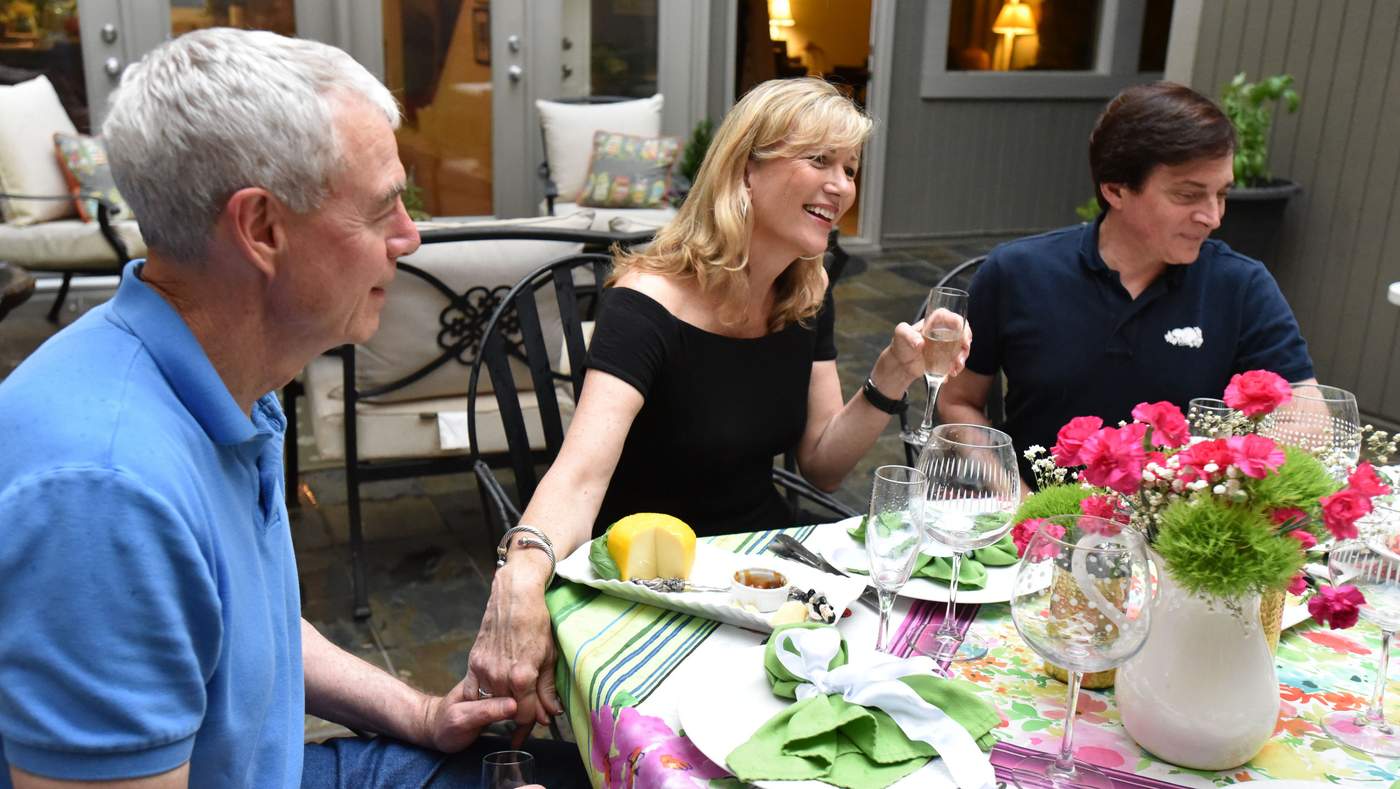
Tricia holds her husband Bern's hand as she talks with friends, including Jeffry Baller (right), during a dinner gathering at their home in Peachtree City.
Please confirm the information below before signing in.