


African island adventures
Spices, snorkeling and a salute to the Queen
May 14, 2017
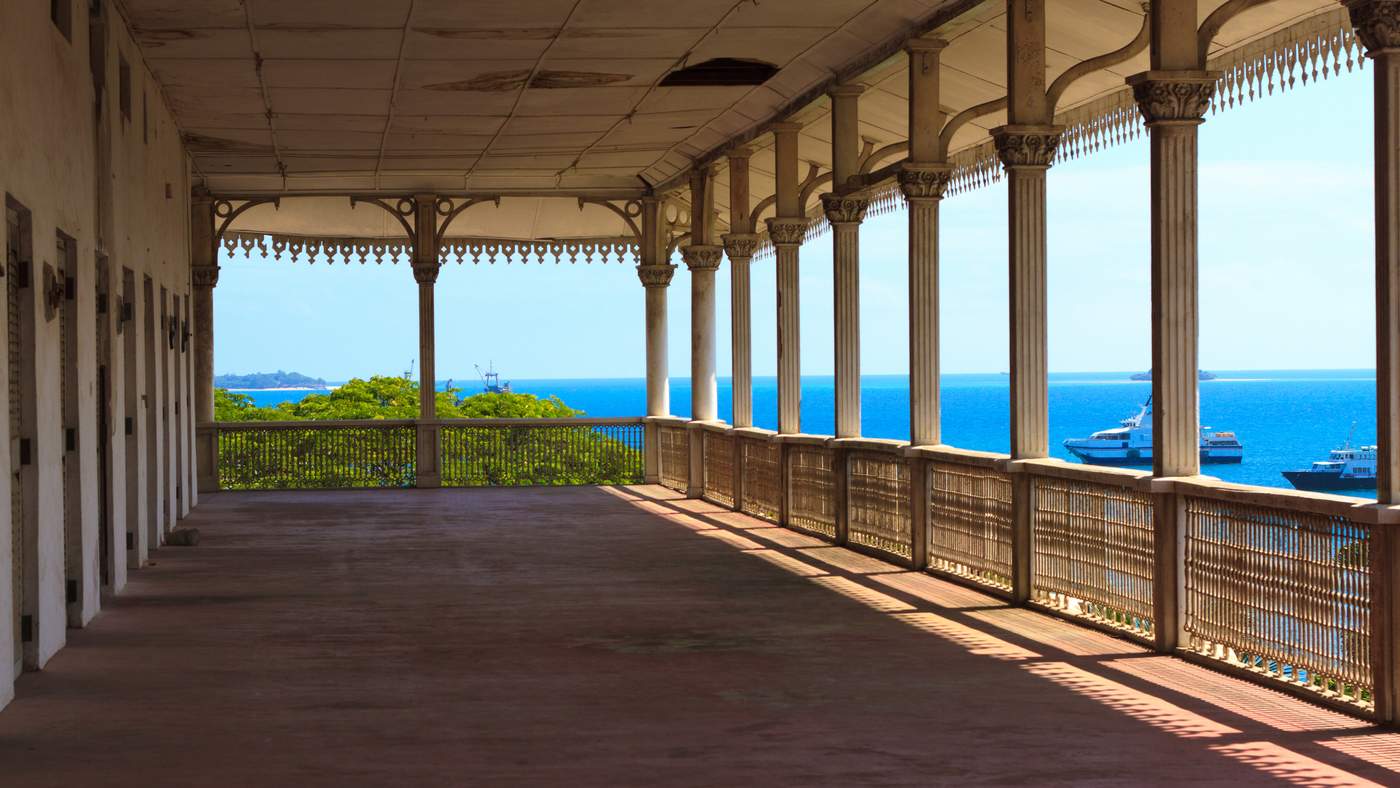


When we arrived in Zanzibar City last fall, we walked through narrow streets filled with scampering kids, daredevil Vespa drivers, and vendors selling roast corn and bright red candied baobab nuts.
“Look!” our tour guide exclaimed as we rounded a corner to a cheerful yellow building, “Here’s Freddie Mercury’s house.”
I glanced at the plaque by the door with its shrine to the Queen frontman, raised as Farrokh Bulsara in a Parsi family in this house, and my love for Zanzibar took form at that moment.
We had come to the west African coastal town of Dar es Salaam, no grand tourist destination but Tanzania’s largest city, where our adventurous middle daughter chose to spend a semester abroad. In three short months, she had learned to navigate the dala dala jitneys around the city and haggle prices in Swahili like a local.

From Dar es Salaam, we took a bumpy two-hour ferry to Zanzibar, the main island of the Zanzibar Archipelago, about 15 miles off the coast. Our destination was Stone Town, the picturesque colonial heart of Zanzibar City that flourished in the 19th Century. Hamza, the tour guide who met us at the cacophonous ferry depot after our bumpy passage, could not have been a lovelier soul. He picked up the heaviest of our bags and led us on a brisk, twisty walk through Stone Town’s insane maze of streets to our hotel. He waited for us to wash and change, and then guided us to a restaurant where he helped us navigate an unfamiliar cafeteria line of grey porridge, pungent octopus soup and tamarind juice.
After lunch Hamza led us inside the Christ Church Anglican cathedral, an ornate yet gloomy 19th Century landmark where the air inside hung as still as a silent prayer. Then came the crash course on Zanzibar history. We learned of seafaring Arab explorers, the Sultanate of Oman, the east African slave trade, the British Protectorate and the move toward self rule. The swaying cadence of his sotto voce recital brought back both the pitch of the ferry and the purple slosh of the octopus soup. My wife and daughters, in their church pews, appeared semi-conscious at best, a little nauseous at worst.
“Let’s walk around,” I ventured, even though the narrative was still in the mid-20th Century.
Taking the clue and perhaps noticing some lowered eyelids, Hamza finished his history lesson quickly and led us out into the bright, breezy day.
Arab, Indian and African influences go into Zanzibar’s cultural curry. The population is 97% Muslim, and the women and girls wear bright abayas and head scarves in every hue. Stone Town, a UNESCO World Heritage site, welcomes boatloads of tourists every year, but the souvenir shops don’t crowd out the residents. Turn a corner, and you will come across a woman on her door stoop, cooking dinner over a small open fire. Confounding at first, the knot of streets begins to make sense after a couple of hours, and you soon can consult your memory rather than Google maps. Like any good maze, all roads lead inexorably toward the center, here a crossroads called “Jaws Corner,” a name that stuck (so the story goes) after an open air showing of the movie “Jaws.” We found a bench under the festoon of pennants and joined the locals for strong black coffee served in small glasses.
Hamza, and his handy-dandy minivan, would be our companion throughout our stay. He picked us up in the morning, took us to excursions around Unguja, the main island of Zanzibar, and deposited us back in Stone Town.
On our first day, we went to one of the many spice farm tours, one of the most traditionally touristy excursions you can book and one of the most memorable. While Zanzibar remains a major exporter of cloves — and you will pass government-owned clove tree orchards on the 45-minute drive north from Stone Town — these farms are more like living museums. You will see and taste dozens of tropical fruits and spices plucked fresh. Nutmeg grows inside fleshy, juicy tree fruit the size of plums. Cut one open to reveal the nut covered in its bright pink webbing of mace.
After the spice tour and a lunch of pilau and cooked greens, we head south to the Jozani Forest, a tropical nature preserve that is part of the national park system. We take a boardwalk canopy through a mangrove forest with a local guide, and then get up close and personal with a troupe of red colobus monkeys. The monkeys gambol inches from your nose and remain startlingly indifferent to humans; the humans, alas, not so much. Our guide has to threaten a group of Italians with police and fines to keep them from touching and feeding the monkeys.
The next day we rise early for an excursion to Chumbe Island, a private nature reserve on a small island alongside a coral reef. The staff greets you after a 15-minute boat ride from Unguja and assigns each party a thatched roof hut (with bathroom, beds and shower) for personal use during the day. You spend the day hiking around the island and climbing the lighthouse. When the conditions are optimal, the whole group goes out snorkeling in the coral reef. Much of the reef is sadly bleached out, yet parts remain spectacular. The local instructors were indulgent and helpful with this lousy swimmer; before long I was happily bobbing about like a buoy.
After lunch on Chumbe Island and an afternoon siesta we take the boat back to the main island, where Hamza is waiting for us. Back in Stone Town, he shows us where to get the best Ethiopian food in town at a pretty open-air restaurant called Abyssinian Maritim.
“How will we find it again?” I ask.
Hamza laughs and points to a familiar yellow building. “Just look for Freddie, and turn right.”
Insider Tips:
-
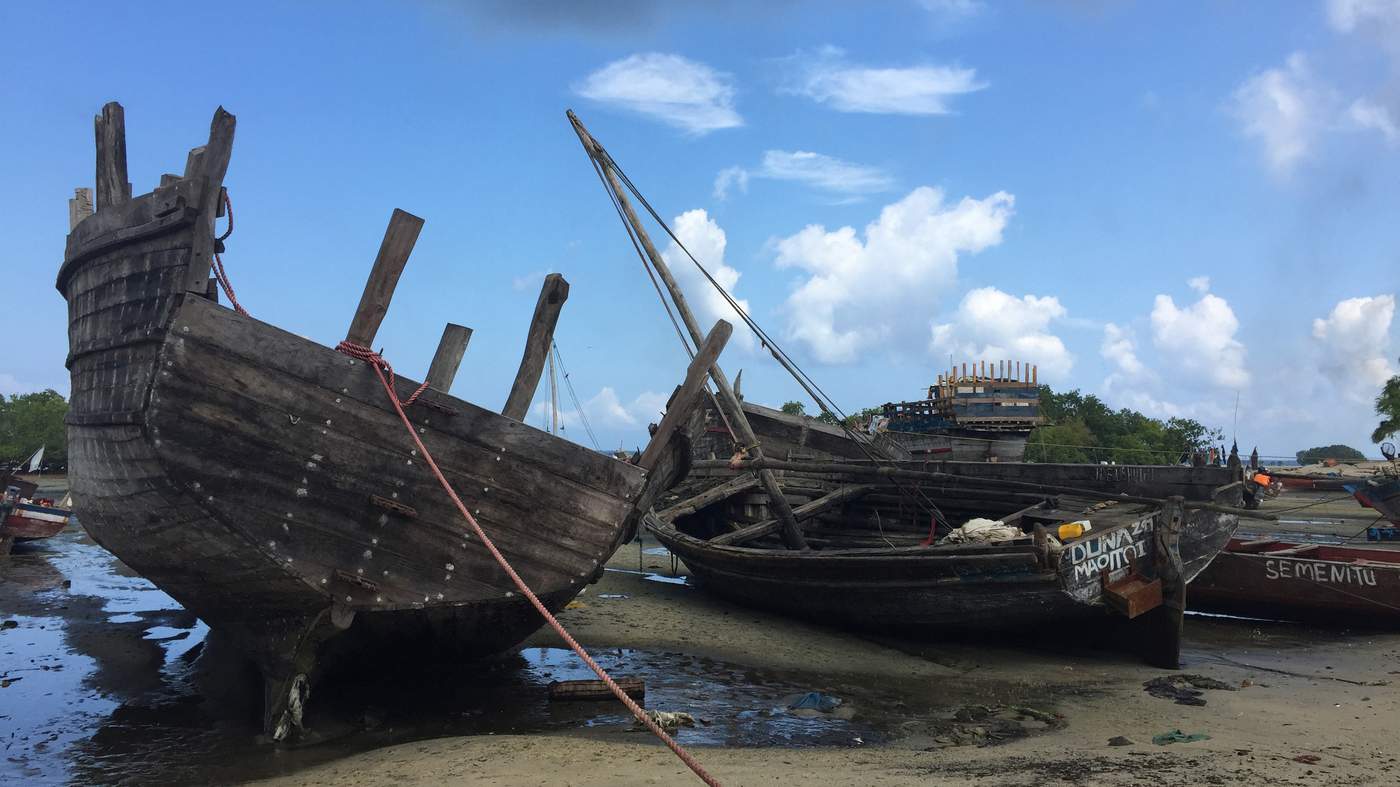
If you are planning a day trip to Chumbe Island, you might want to spend one night at the Protea Hotel Mbwene Ruins, a seaside resort a few miles from Stone Town. The boats to Chumbe leave from its dock. Added bonus for points hounds: Protea Hotels accept Marriott/Starwood points.
-
Few businesses take plastic. So keep your dollars — universally accepted — and have a debit card ready. You’ll find ATMS all over Stone Town.
Where to Stay:
You can find a hotel for any budget in Stone Town, though hardly any international chains. One exception: the massive Park Hyatt, which sits like a fancy gated community on the waterfront.
Jafferji House. This boutique hotel showcases crafts and artwork — including the owner’s professional fashion and travel photography — in a meandering, oasis-like space. The rooms are huge and gorgeous, though be warned some have doorless bathrooms. Full-service breakfast included. About $125-$200 per room, depending on the season. jafferjihouse.net.
Tembo House. An seafront hotel with a kind of faded, tatty glamour. Buffet breakfast served on the covered patio overlooking the water. About $150-$185 per room, depending on the season.
Where to Eat:
Stone Town is rife with tourist restaurants, particularly of the fancy seafood grill variety. Chinese, Indian and pizza places also represent. But the three most interesting dining destinations we tried are below.
Lukmaan. This cafeteria brims with typical Zanzibar-style dishes, which bridges Tanzanian and Indian cooking and is redolent with spice. Point, ask and order more than you need. The ubiquitous pilau (spiced rice with meat) is excellent here, but you really want to try as many of the coconut curries (some with peas and beans, others with pumpkin and greens) as you can. The mchicha wa nazi (amaranth greens in coconut) is like the best, freakiest creamed spinach you can imagine. Get a fresh fruit smoothie for dessert. I will regret forever not going back. $5-$10 per meal. lukmaan.blogspot.com.
Abyssinian Maritim. Generous portions of Ethiopian stews, curries and vegetables come with an endless supply of injera bread to sop it all up. It isn’t the best Ethiopian food you’ll ever have, but it provides a nice break from the ubiquitous continental/colonial fare elsewhere. Nice patio, cold beer. www.facebook.com/AbyssinianMaritim/
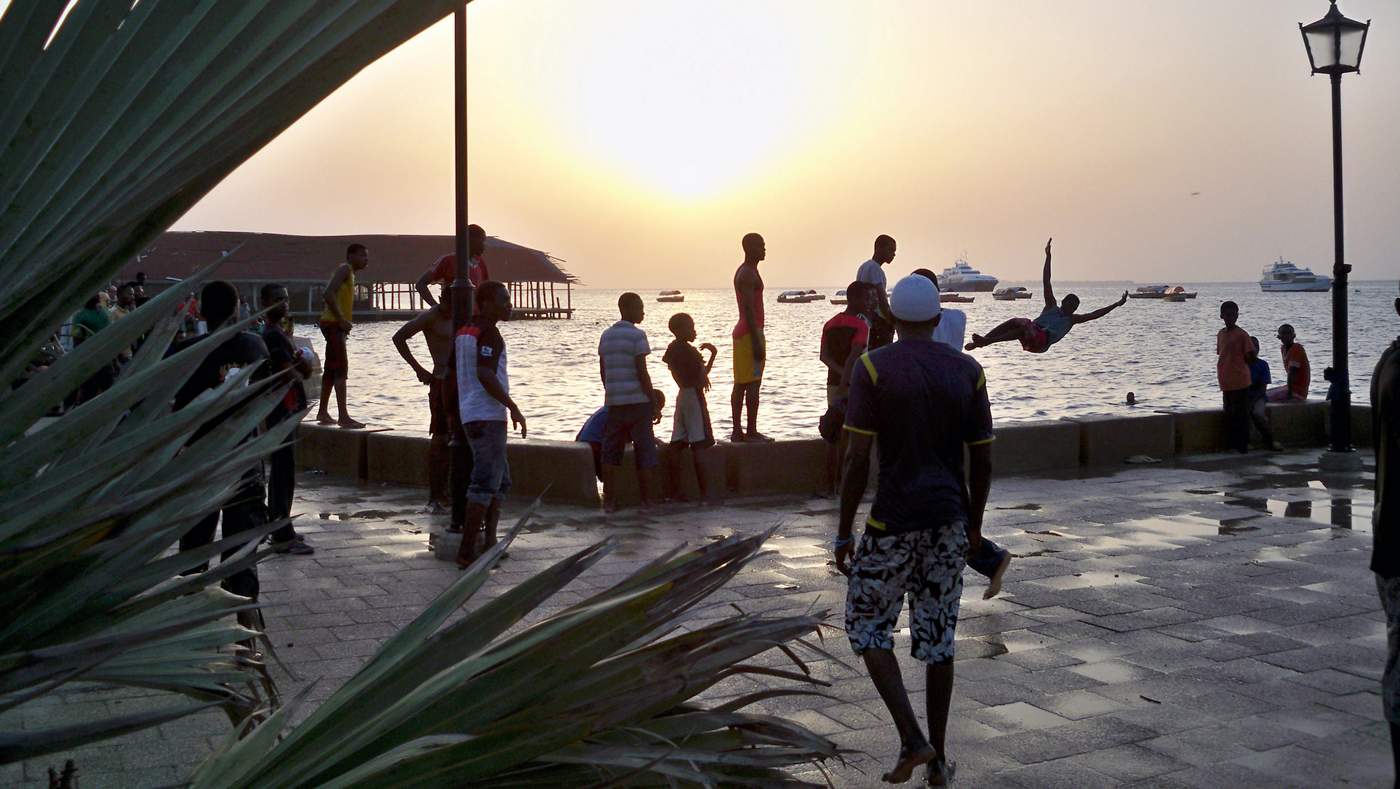
Forodhani Gardens Night Market. Budget one night at this waterfront park and choose your dinner from the dozens of food vendors. The stalls with grand displays of skewered fish, shrimp and shish kebab charge the most and have the loudest barkers demanding you “just have a look.” Following everyone’s advice, we stayed away from the skewer shops and searched out the urojo. Also called “Zanzibar mix,” this wonderful curry-spiced soup comes packed with egg, potatoes, crisp bhajia fritters and beans — the whole topped with chutney and fried potato sticks. Other vendors sell good chicken shawarma, a stuffed flatbread called “Zanzibar pizza” and fresh cane juice with ginger and lime. Stay for the small-town entertainment after dinner. On one end of the park locals (and the occasional tourist) make hilarious slapstick dives and bellyflops from a high embankment into the harbor. On the other end, would-be child and adolescent acrobatic troupes form daredevil human pyramids. Locals bring their kids, and you may end up, as my daughter did, with a brilliant 12-year-old pen pal. $2-$5 per item.
What to Do:
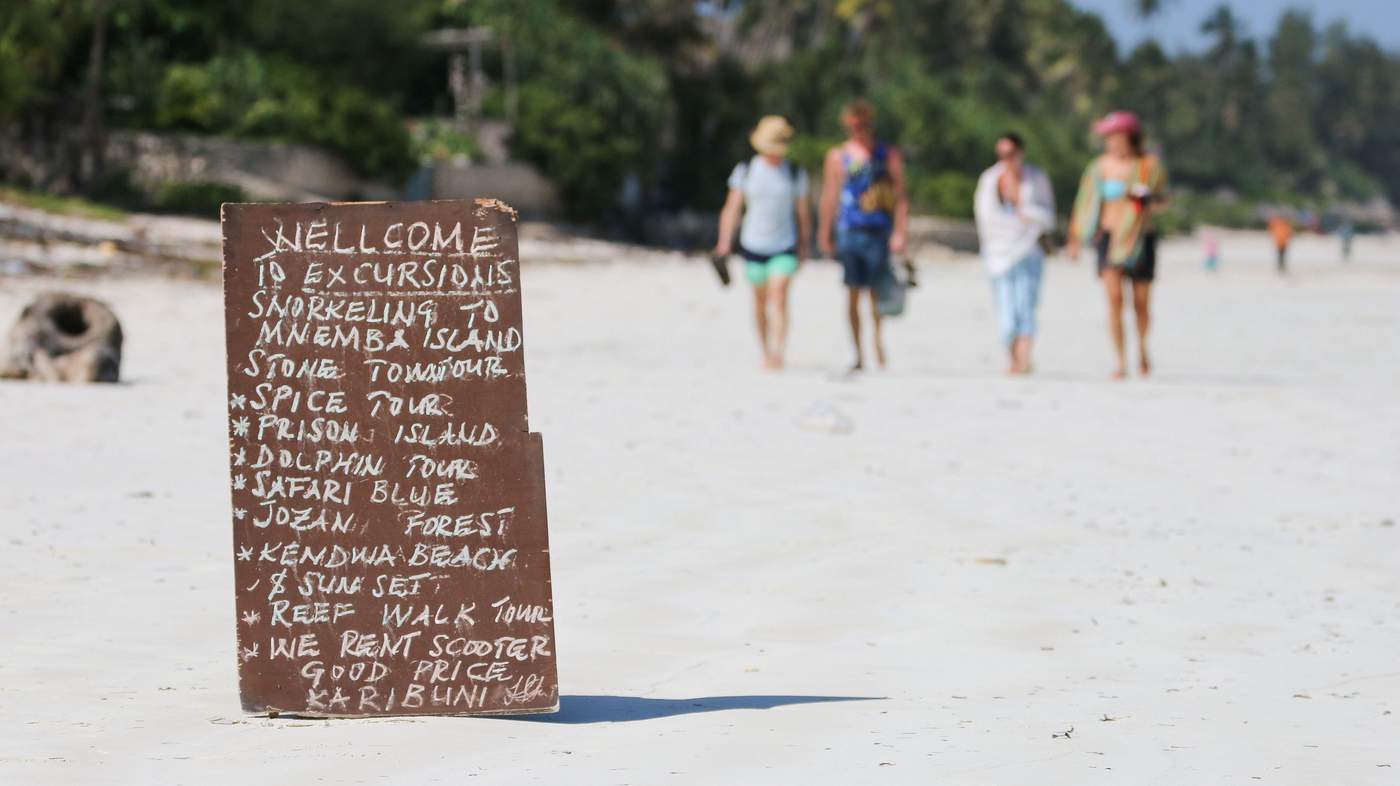
Stone Town is a charmer, but save for a few clubs that cater to twentysomethings, it shuts down early. So after seeing the sights on your first day there, plan full-day excursions. Get in touch with a good tour company before you leave, and you can begin thinking about the right excursions for your party. We loved working with Tima Tours. Excursions are priced per person, usually $30-$100 depending on the length, distance and associated costs. Plan on having enough cash on hand for a tip. www.timatourszanzibar.com/zanzibar
Please confirm the information below before signing in.